
Most recalled products never get fixed. Here's why.
Why most consumers never act on a recall, what the data shows, and the 30-second setup that puts you ahead of most consumers.
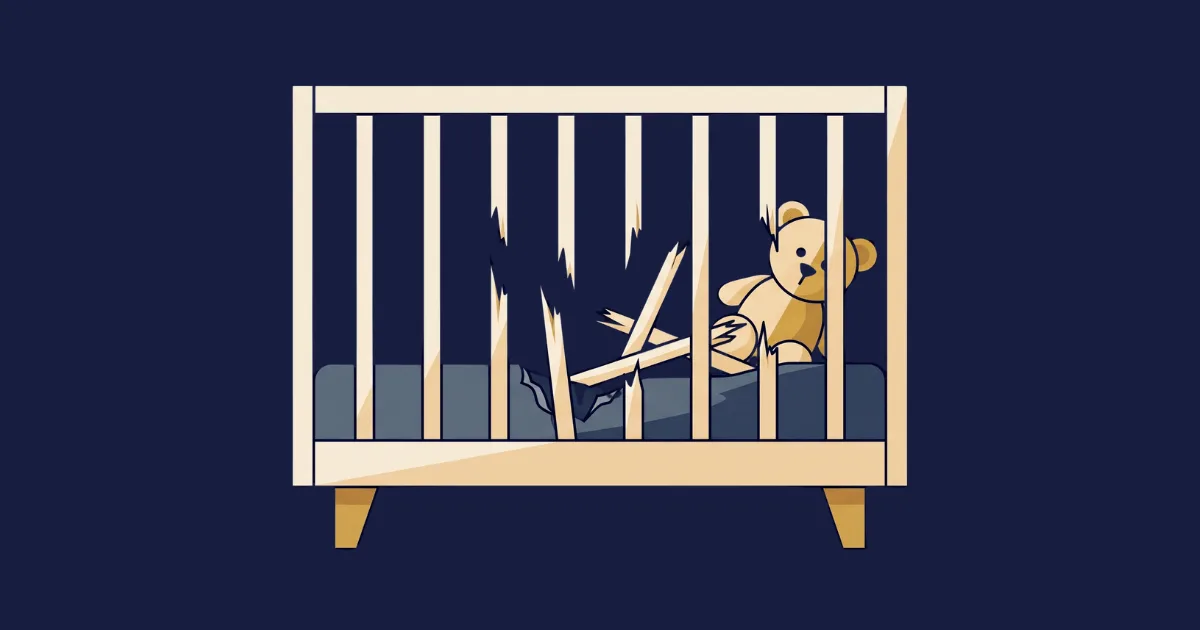
When a federal agency decides a product is dangerous enough to pull from shelves, you’d expect people to act on it. They mostly don’t. The vast majority of recalled consumer products never get returned, repaired, or replaced. They stay exactly where they are, in kitchens, garages, and nurseries, because the system that’s supposed to protect people was never really built to reach them.
The Numbers Are Stark
The data on recall effectiveness comes from multiple sources, and none of it is encouraging:
- About 6% participation. CPSC data presented at its 2017 Recall Effectiveness Workshop, and cited by the Senate Commerce Committee, found consumers took part in the remedy at a rate of roughly 6 percent across product types, and about 4 percent for products under $20. A U.S. PIRG review of 323 CPSC recall notices from 2023 found that many refund processes put unnecessary obstacles in the way.
- 22% for children’s products. A 2024 Kids in Danger report found that only 22 percent of recalled children’s products already in homes were successfully returned, replaced, or repaired. That leaves nearly four in five hazardous cribs, strollers, and toys unaccounted for.
- 8% for one of the deadliest recalls in recent memory. Fisher-Price recalled its Rock ‘n Play Sleepers in 2019 (reannounced in 2023). By the end of 2020, the company’s own reports showed only 395,239 of 4.84 million units (about 8 percent) returned or otherwise accounted for, according to a 2022 Senate letter citing Consumer Reports. At least eight more infant deaths occurred after the recall was announced.
- About 26% at the agency level. CPSC’s recall response rate averaged about 26 percent from FY 2020 through FY 2023, by our calculation from the agency’s yearly figures. CPSC reported 51 percent for FY 2024, the same year it changed how the rate is calculated, so the two numbers aren’t directly comparable.
At the scale CPSC recalls alone operate (97 million units in FY 2023), those gaps translate to tens of millions of recalled units each year that are never recorded as fixed, replaced, or returned. So what’s going wrong?
Why People Don’t Respond
The biggest reason is the simplest one: people never hear about it. There’s no universal push notification for recalls. Unless one makes the evening news (and most don’t), you’d have to stumble across the right government website at the right time. Beyond awareness, several other factors drive the gap:
- The hassle factor. Think about the last cheap kitchen gadget you bought. If it got recalled six months later, would you dig up the receipt, find the return address, and ship it back for a $3 refund? CPSC’s data backs this up: participation is lowest for cheap products, around 4 percent for items under $20. People just toss them and move on.
- Time decay. The longer the gap between purchase and recall, the less likely anyone responds. The receipt is gone. The packaging is recycled. You’ve forgotten where you bought it.
- The gift and secondhand gap. Gift recipients and secondhand buyers have no purchase record, no notification from the manufacturer, and often no idea the product was ever flagged.
Peer-reviewed research puts a finer point on it: people respond more when the hazard sounds severe, the remedy is convenient, and they trust the brand. Weaken any one of those three factors and participation drops fast.
The Secondhand Problem
Even when recalls do reach original buyers, there’s a whole secondary market that slips through the cracks entirely. Selling a product under a CPSC recall is illegal in the United States, even at a garage sale. In practice, nobody’s policing your neighbor’s yard sale table.
The real concern is online resale. Consumer Reports found hundreds of recalled infant sleepers and dressers, products linked to child deaths, still listed on platforms like Craigslist and Facebook Marketplace.
There’s been some movement here. In July 2024, CPSC ruled that Amazon as distributor is responsible for recalling hazardous products sold by its third-party sellers. That was a landmark decision, but it only covers one platform. Sellers on OfferUp, local Facebook groups, and everywhere else rarely know a product has been recalled at all.
How to Not Be Part of the Problem
The system clearly has holes, but the good news is that closing the gap on your end takes about 30 seconds of setup and one small habit:
- Use Recalls.gov to sign up for recall emails from several federal agencies.
- Download the NHTSA SaferCar app and enter your VIN. It checks for recalls on your vehicle about once a day.
- Fill out product registration cards. They exist so the manufacturer can reach you if something goes wrong.
- Search before buying secondhand, especially car seats, cribs, and strollers. Check cribs and strollers at the CPSC site. For car seats and used cars, use the NHTSA site (car seat brand and model, or the car’s VIN). Both searches take about 10 seconds.
- Set a recurring reminder. Check your household against current recalls when you change your clocks for daylight saving time. Browse recent federal recalls at Recall Canary.
Of course, none of this should fall entirely on consumers. A GAO audit found that only 61% of firms submitted their required recall progress reports more than 75% of the time. Regulators are pushing for more accountability, but change is slow.
In the meantime, the fastest fix is individual action. Knowing what to do when a recall hits and understanding how the system works puts you ahead of the vast majority of consumers.
Frequently Asked Questions
Is it illegal to sell a recalled product at a garage sale?
Yes, for products under a CPSC recall. Federal law prohibits selling them, including in private sales. (It doesn’t cover selling a used car with an open recall.) Enforcement tends to target businesses and platforms rather than individuals, but the legal liability is real.
How do I check if a used car seat or crib has been recalled?
For a crib, search the product name or model number at the CPSC site. For a car seat, use NHTSA’s recall lookup; the model number is printed on a label on the side or bottom of the seat.
Do recalls expire?
Recalls don’t technically expire, but remedies can dry up. Manufacturers may stop processing claims after a while. For vehicles, federal law requires a free repair if the vehicle was first sold no more than 15 years before the recall (five years for tires).
Why don’t I get notified automatically when something I bought is recalled?
Because there’s no centralized system linking purchases to recall databases. Manufacturers can only contact you if you registered the product. The closest thing to automatic notification is subscribing to the agencies’ recall emails, linked from Recalls.gov.