CPSC recall,
Basecamp Bicycle Helmets
Basecamp bicycle helmets can fail to protect in a crash, posing a risk of head injury or death.

Summary by Recall Canary from the CPSC notice
What happened
HK Tongyang Technology Co., Ltd., dba Tongyang Cycling, is recalling Basecamp Bike Helmets because the helmets violate the mandatory safety standard for bicycle helmets. The helmets do not comply with the impact attenuation, positional stability and certification requirements, and can fail to protect the user in the event of a crash, posing a serious risk of injury or death due to head injury.
About 315 helmets are affected, with no incidents reported. The helmets also have a button cell battery that does not bear the warning labels required by Reese's Law, and if swallowed, the batteries can cause serious injuries, including internal chemical burns, and death.
The recalled helmets are Basecamp-branded bicycle helmets, model HT-10, sold in green and black in size medium/large (M/L), fitting a head circumference of about 22.44 to 24.41 inches. They have red padding, black and red straps, a black and red buckle and a black and red fit-adjusting knob at the back, with 'Basecamp' printed on the sides and 'HT-10' on a label inside.
They were sold online at Amazon.com from July 2024 through July 2026 for about $34. The product was made in China and distributed by HK Tongyang Technology Co., Ltd., dba Tongyang Cycling, of China.
Consumers should stop using the helmets immediately and contact Tongyang Cycling for a full refund. Consumers should then dispose of the recalled product. Button cell batteries are hazardous, and batteries should be disposed of or recycled by following local hazardous waste procedures.
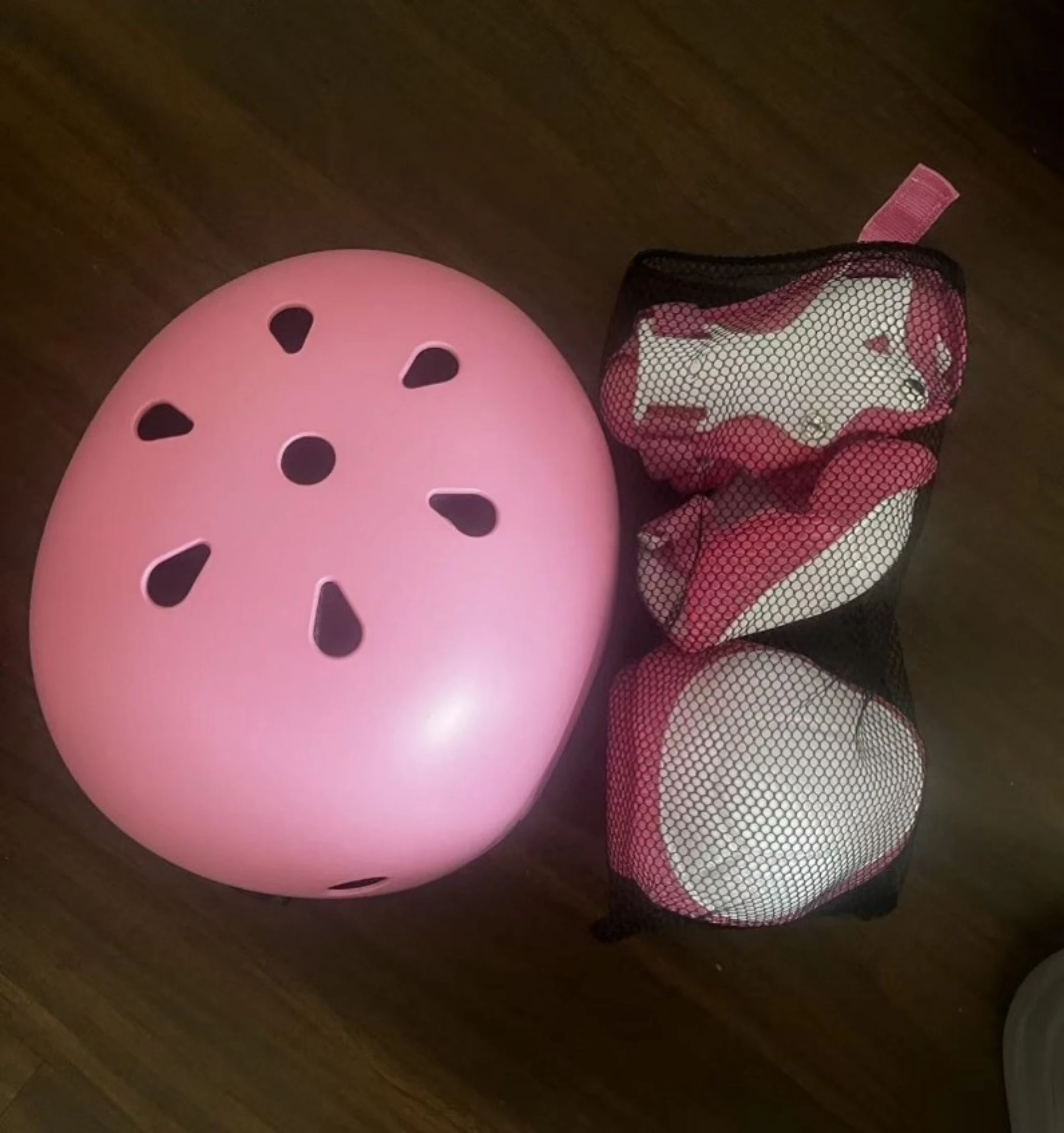
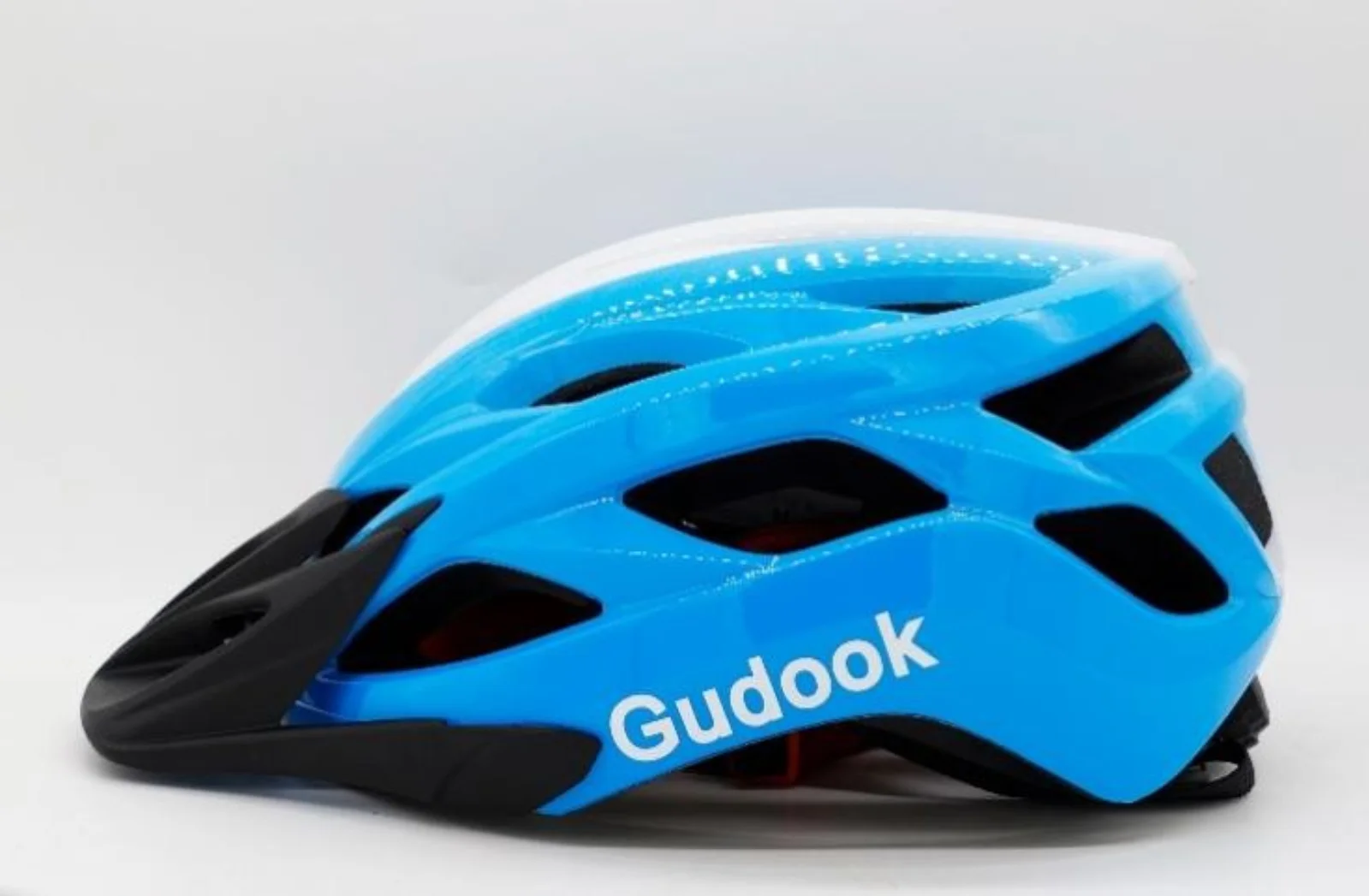
2 photos
What to do
If yours is listed below:
- Stop using the helmets immediately and contact Tongyang Cycling for a full refund.
- You will be asked to destroy the recalled helmet by cutting the straps and send a photo of the destroyed helmet to tongyangshangwuus@
hotmail.com. - Then dispose of the recalled product.
- Note: Button cell batteries are hazardous. Batteries should be disposed of or recycled by following local hazardous waste procedures.
What you get Refund
Full text from CPSC
Consumers should stop using the helmets immediately and contact Tongyang Cycling for a full refund. Consumers will be asked to destroy the recalled helmet by cutting the straps and send a photo of the destroyed helmet to tongyangshangwuus@
Is yours affected?
Compare these details with your product, then check the CPSC notice for which ones are recalled.
Basecamp Bicycle Helmets
- Model number
- HT-10
Basecamp Bike Helmets
- Made in
- China
- Codes
- Not listed here. See the CPSC notice.
Product description from CPSC
This recall involves Basecamp-branded bicycle helmets, model HT-10. The helmets were sold in green and black and in size medium/large (M/L), fitting a head circumference of about 22.44 to 24.41 inches. The helmets have red padding, black and red straps, a black and red buckle and a black and red fit-adjusting knob at the back. “Basecamp” is printed on the sides of the helmet and “HT-10” on a label inside of the helmet.
Recall details
- Recalled
- Sold in
Sold online only, at Amazon.com.
From Jul 2024 to Jul 2026.
Price: about $34.
- Seller
- HK Tongyang Technology Co., Ltd., dba Tongyang CyclingChina
- Hazard
- Impact hazard
- Recall number
- 26-785
- Units affected
- About 315
- Reported incidents
- None reported.
- Contact
- Tongyang Cycling via email at tongyangshangwuus@hotmail.com or online at http://www.basecampbike.com/index.php?main_page=page&id=15 or www.basecampbike.com and click “Recall” at the top of the page for more information.
- Made in
- China
- Distributed by
- HK Tongyang Technology Co., Ltd., dba Tongyang Cycling, of China
Timeline
Announced by CPSC · Listed on Recall Canary
Summary updated