
Vehicle recalls
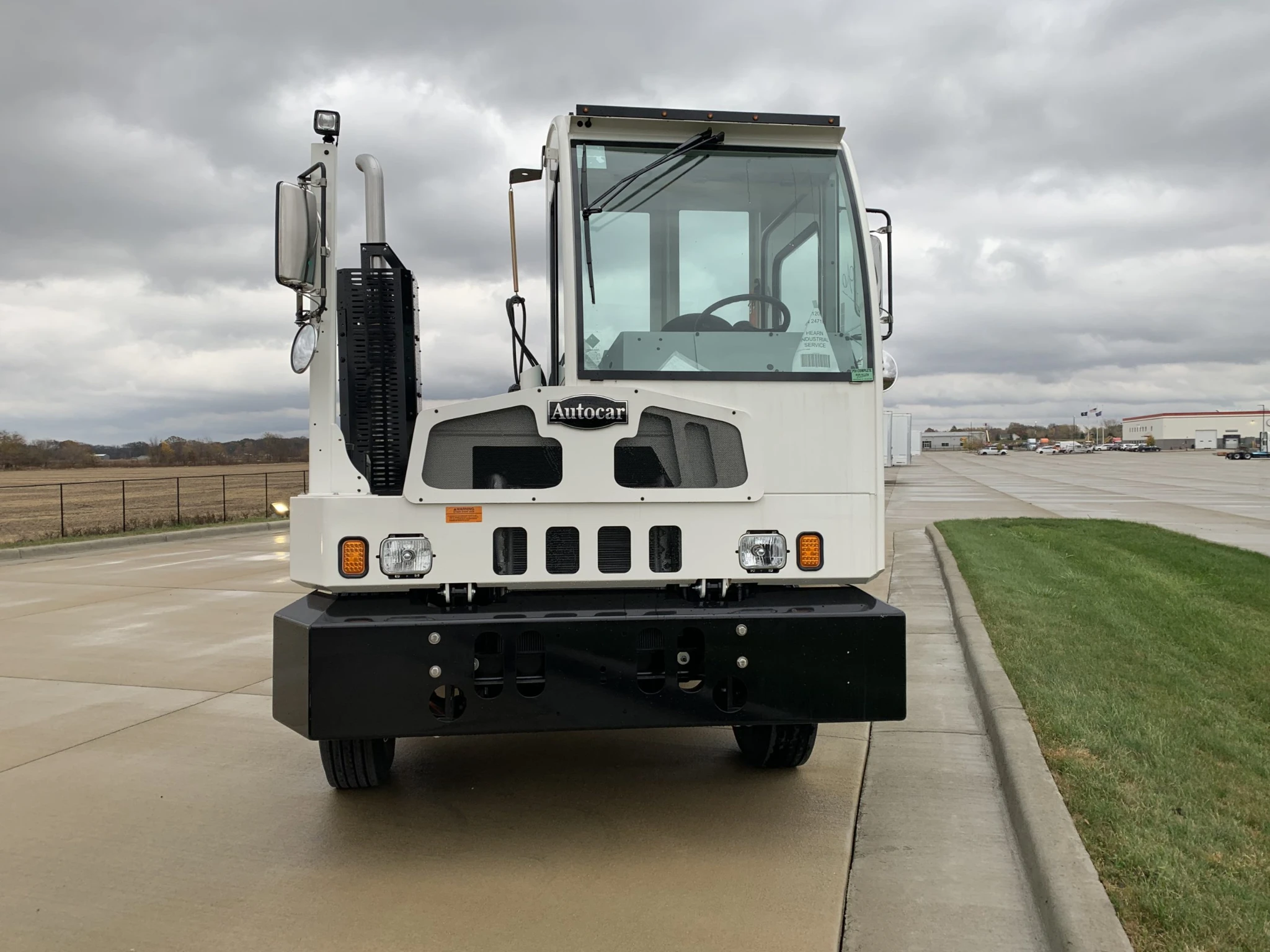
Autocar ACX Xpeditor Vehicles
The fuel filter hoses may disconnect and leak fuel, causing an engine stall and increasing fire and crash risks.
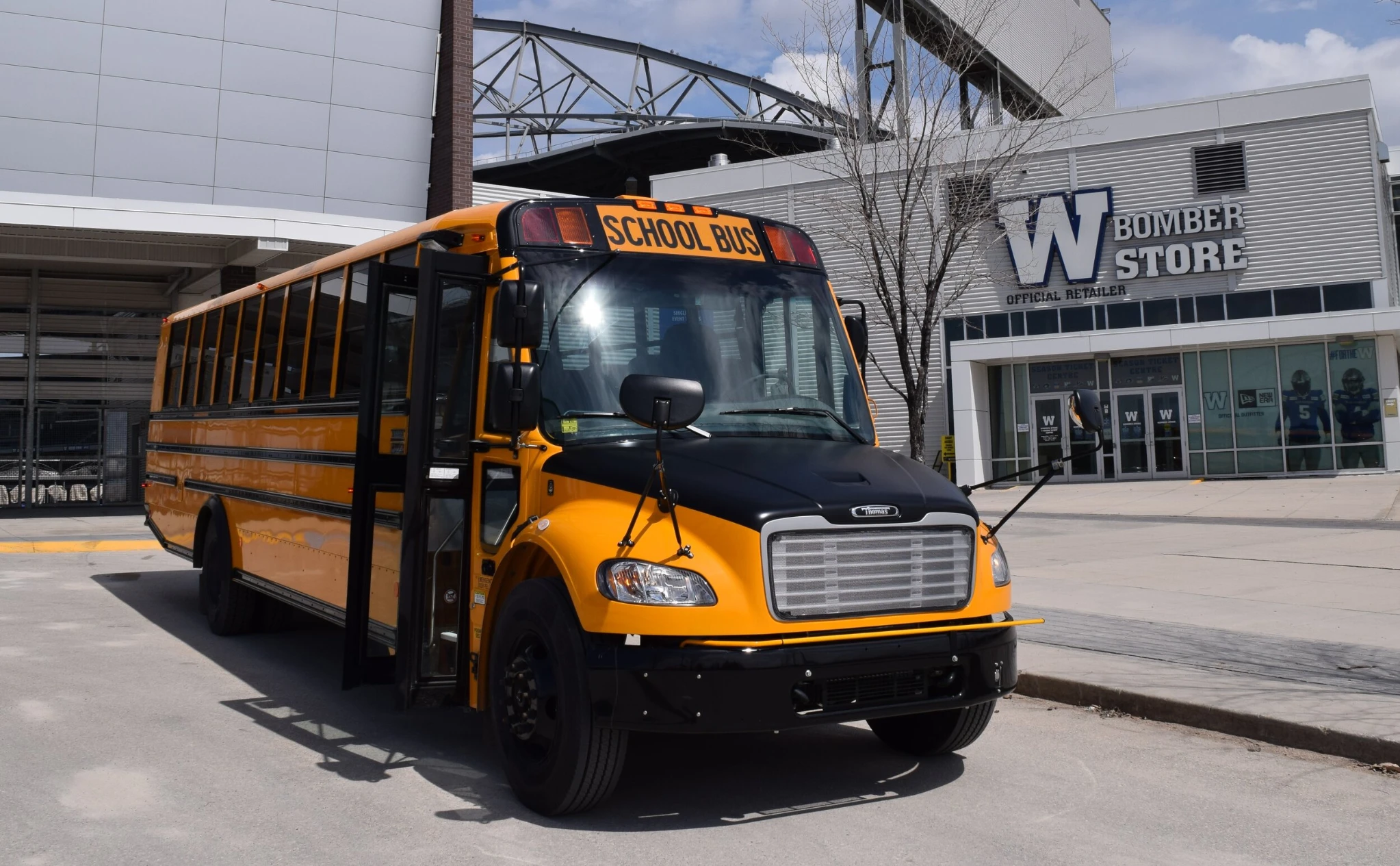
Thomas Built Buses Saf-T-Liner C2 School Buses
The heater hose in certain Saf-T-Liner C2 school buses may rupture, leaking hot coolant inside the passenger compartment.
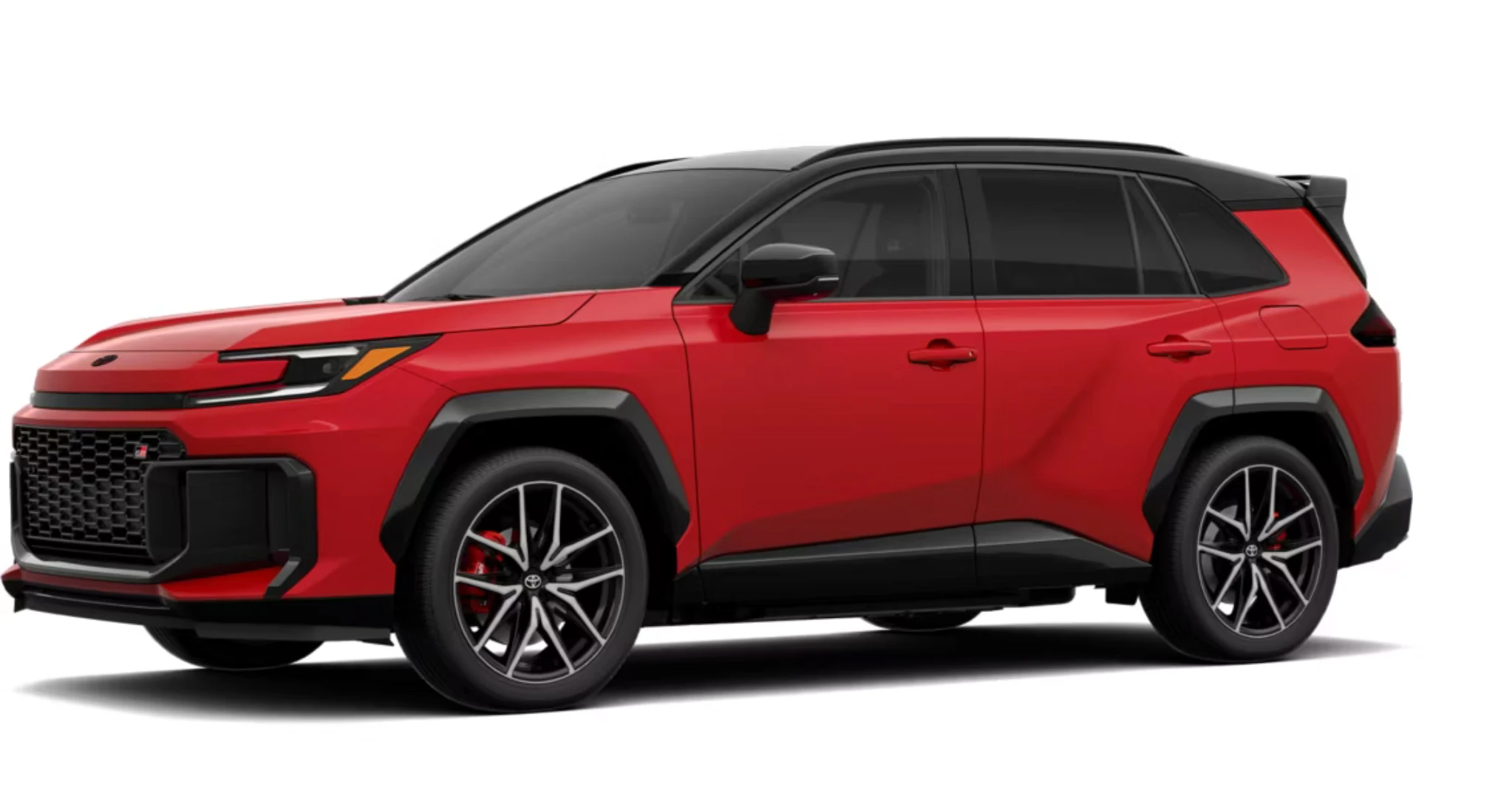
Toyota RAV4 Plug-In Hybrid Vehicles
The motor generator ECU may encounter an error, causing the plug-in-hybrid system to reduce power or shutdown when driven at higher speeds.
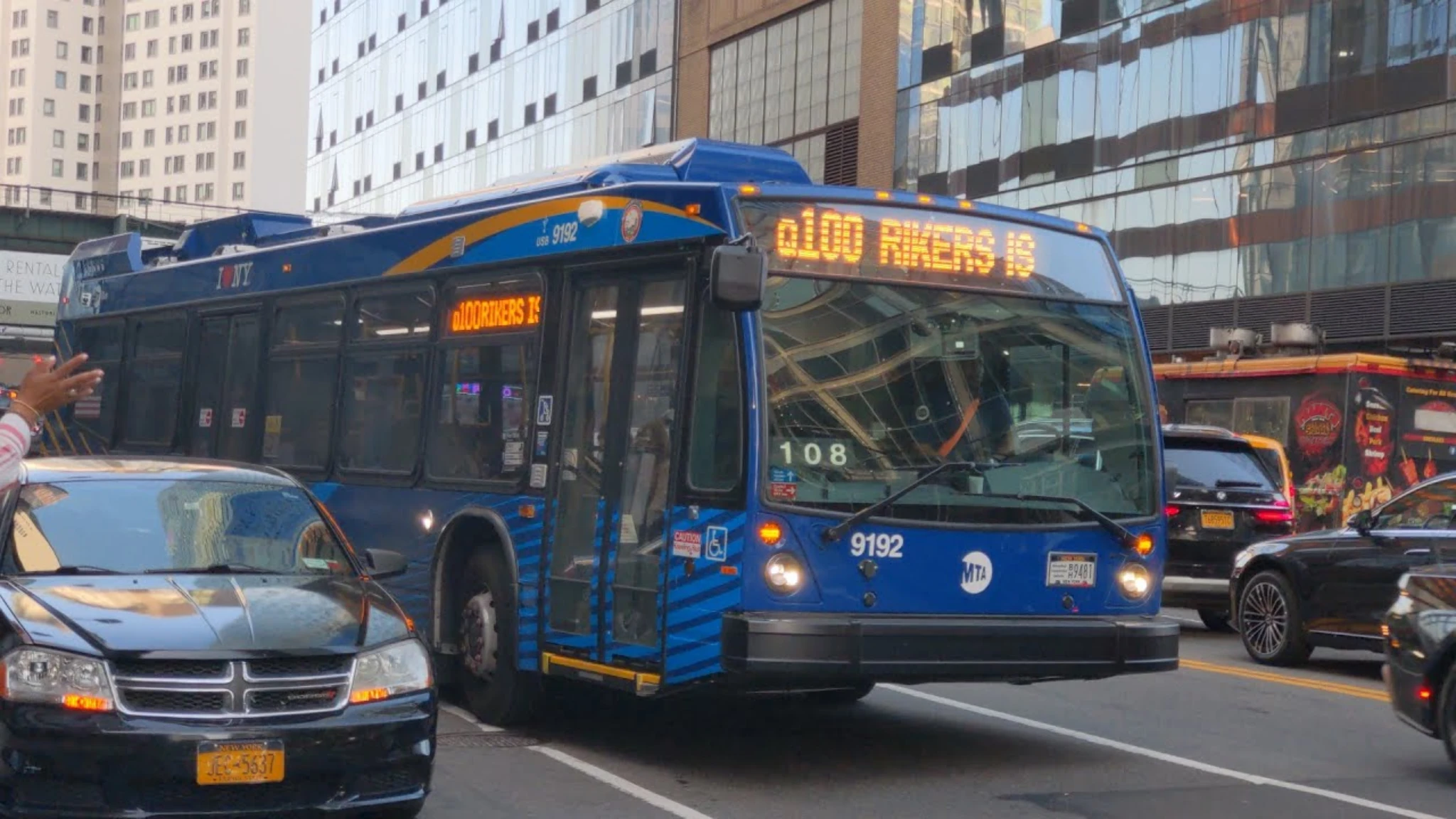
Nova Bus LFS (2022-2024) and Nova Bus LFS Artic (2023-2024)
The coolant sensor on certain Nova Bus LFS buses can send a false signal, causing the engine to shut down and increasing crash risk.
Ford 2026 Explorer, Bronco, Bronco Sport, Mustang, and Ranger Vehicles
Improperly manufactured pistons may fail, causing a loss of drive power and increasing crash risk.

Ford Explorer (2026)
The 2026 Ford Explorer's engine connecting rod bearings may seize, causing engine failure and loss of drive power.

Ford Bronco, Ford Explorer, and Ford Ranger (2025-2026)
The engine may fail, causing a sudden loss of drive power and increasing crash risk.

Toyota 2024 Tundra Vehicles
Debris in the engine may cause a stall and loss of drive power.

Micro Bird G5 School Bus (2023-2026) and Micro Bird MB II School Bus (2024)
The drive belt pulley may contact and damage oil lines, causing leaks that can lead to a fire.

Micro Bird G5 Transit Buses
G5 transit buses have a drive belt pulley that may damage oil lines, causing a leak and fire risk.

Storyteller Overland Stealth, Classic, and Beast Mode Vehicles
The 2023 Stealth, Classic, and Beast Mode vehicles have improperly routed coolant lines that may cause a loss of drive power, increasing crash risk.

Harley-Davidson FLFB (2025-2026), Harley-Davidson FLHLT (2026), Harley-Davidson FLHX (2024-2026), and 6 more
Pressurized crankcase may eject oil when the dipstick is removed, increasing injury risk.

Autocar Xpeditor
The winter front cover on certain Autocar Xpeditor vehicles may interfere with the forward collision warning system, increasing the risk of a crash.

Ford 2026 Explorer and Mustang Vehicles
The 2026 Explorer and Mustang vehicles have incorrectly installed piston circlips that can cause engine damage and loss of drive power.

Mack TerraPro Trucks
Mack TerraPro trucks have an ECU software error that may allow the engine to start when the transmission is not in Neutral, causing unexpected vehicle movement.

Ford: Ranger, Lincoln Nautilus, Mustang, and 6 more (2025)
The exhaust gas recirculation valve may fail, causing unexpected loss of drive power and increasing crash risk.

Thomas Built Buses Saf-T-Liner C2 (2027)
The heater hose may rupture, leaking hot coolant inside the passenger compartment.

Thomas Built Buses Saf-T-Liner EFX and Saf-T-Liner HDX (2023-2026)
Heater hose clamps may not be tightened properly, causing the hose to disconnect and leak hot heating coolant inside the passenger compartment.

Thomas Built Buses Saf-T-Liner EFX (2023-2025) and Saf-T-Liner HDX (2023-2026)
Heater hose clamps may not be tightened properly, causing the hose to disconnect and leak hot coolant inside the passenger compartment.
Nissan Rogue (2023-2025)
Nissan Rogue vehicles can have engine oil break down, causing engine damage and loss of drive power.

Nissan Rogue
The Nissan Rogue has throttle body gears that may break, causing a loss of drive power and increasing crash risk.
