
Ford recalls
Ford: 82 recall campaigns listed since January 2026.
This page shows the recall campaigns Recall Canary lists that name Ford vehicles, filed with NHTSA since January 1, 2026. A vehicle can also have older recalls that this page does not list: to check a specific vehicle, use NHTSA’s VIN lookup.
NHTSA warnings
- Do not drive2
By model
- Explorer 2016–202721
- F-150 2014–202715
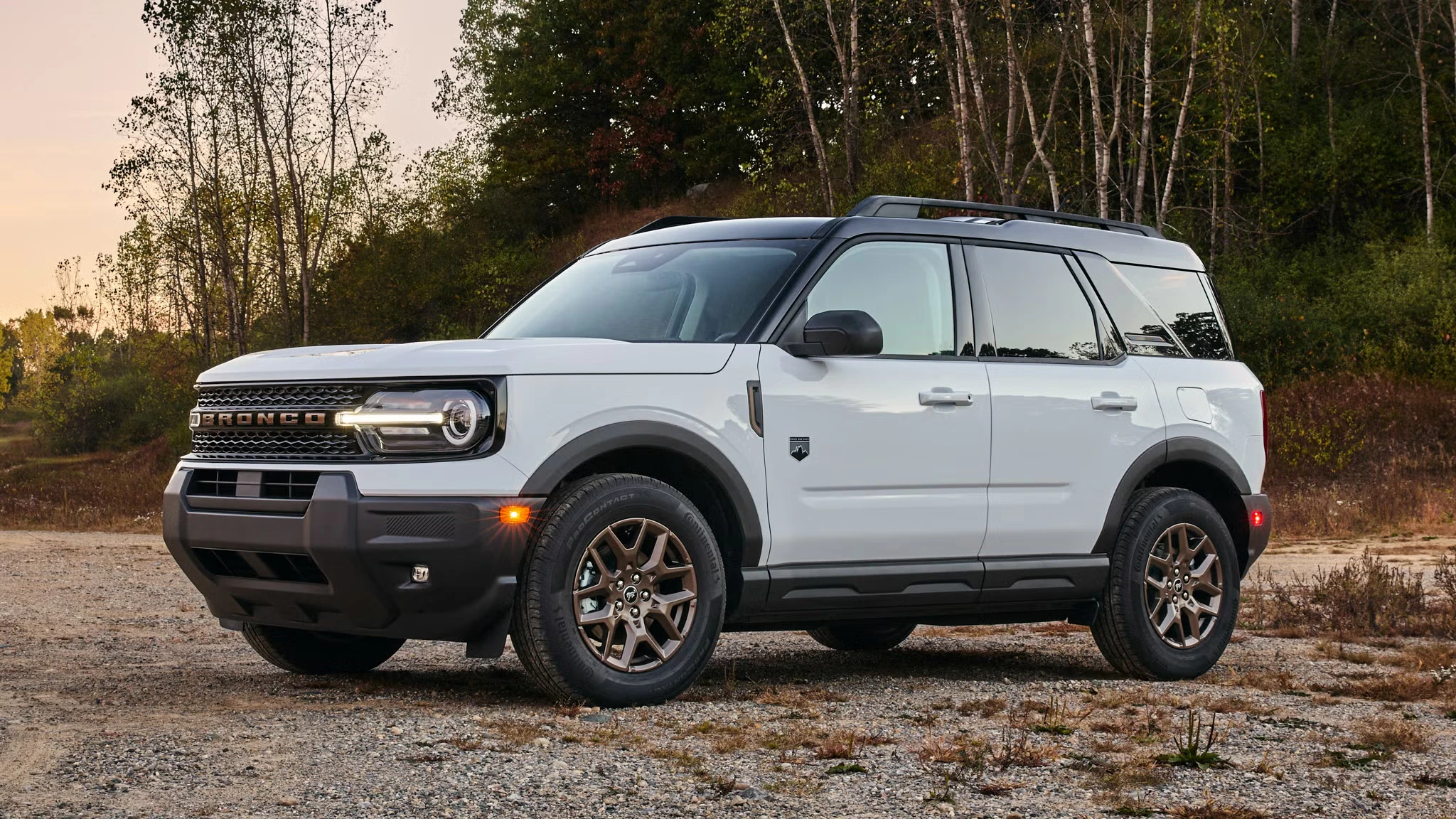
- Bronco 2021–202612
- F-250 SD 2020–20268
- Ranger 2024–20268
- F-350 SD 2020–20267
- Maverick 2022–20267
- Bronco Sport 2021–20266
- Escape 2013–20266
- Expedition 2018–20276
22 more models
- F-450 SD 2020–20266
- Mustang 2019–20266
- F-550 SD 2020–20265
- F-600 SD 2021–20264
- Focus 2012–20184
- Transit 2023–20274
- F-53 2025–20263
- F-59 2025–20263
- Mustang Mach E 2021–20253
- E-Transit 20262
- E-350 2026–20271
- E-450 2026–20271
- Edge 2021–20241
- Escape Phev 2022–20261
- Explorer Hybrid 2025–20271
- F-650 SD 20251
- F-750 20221
- Fusion 2013–20161
- Maverick Hybrid 20221
- Mustang GTD 2025–20261
- Odyssey 20261
- Transit Connect 20151
By hazard
- Electrical system defect11
- Transmission or drivetrain defect11
- Vehicle structure defect10
- Backup camera defect8
- Driver visibility defect8
- Engine defect5
- Exterior lighting defect5
- Vehicle equipment defect4
- Seat defect4
- Air bag defect3
- Fuel system defect3
- Seat belt defect3
- Suspension defect3
- Brake defect1
- Mobility equipment defect1
- Wheel defect1
All campaigns (82)
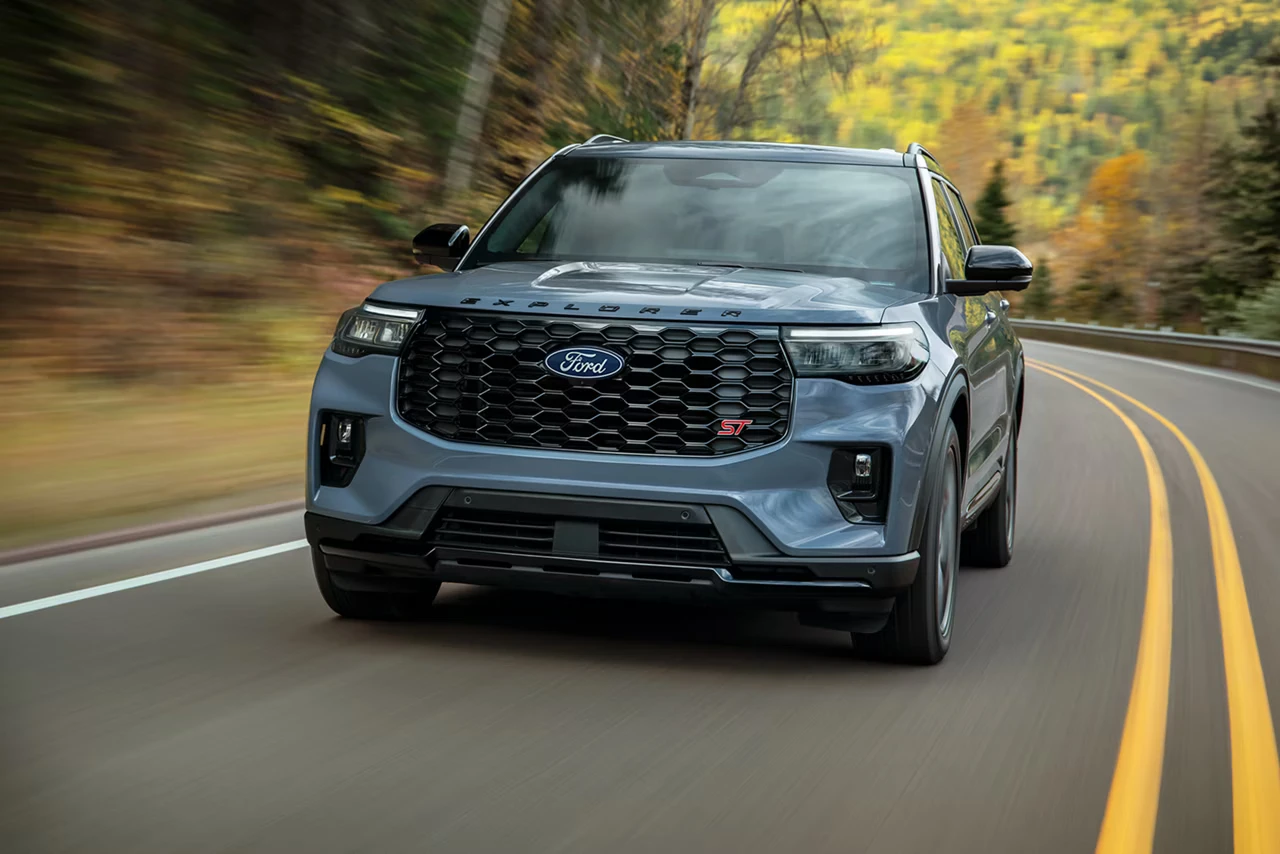
Ford Explorer Police Interceptor Vehicles
The 2026-2027 Ford Explorer Police Interceptor has map lights that may illuminate and cannot be turned off, which can distract the driver.
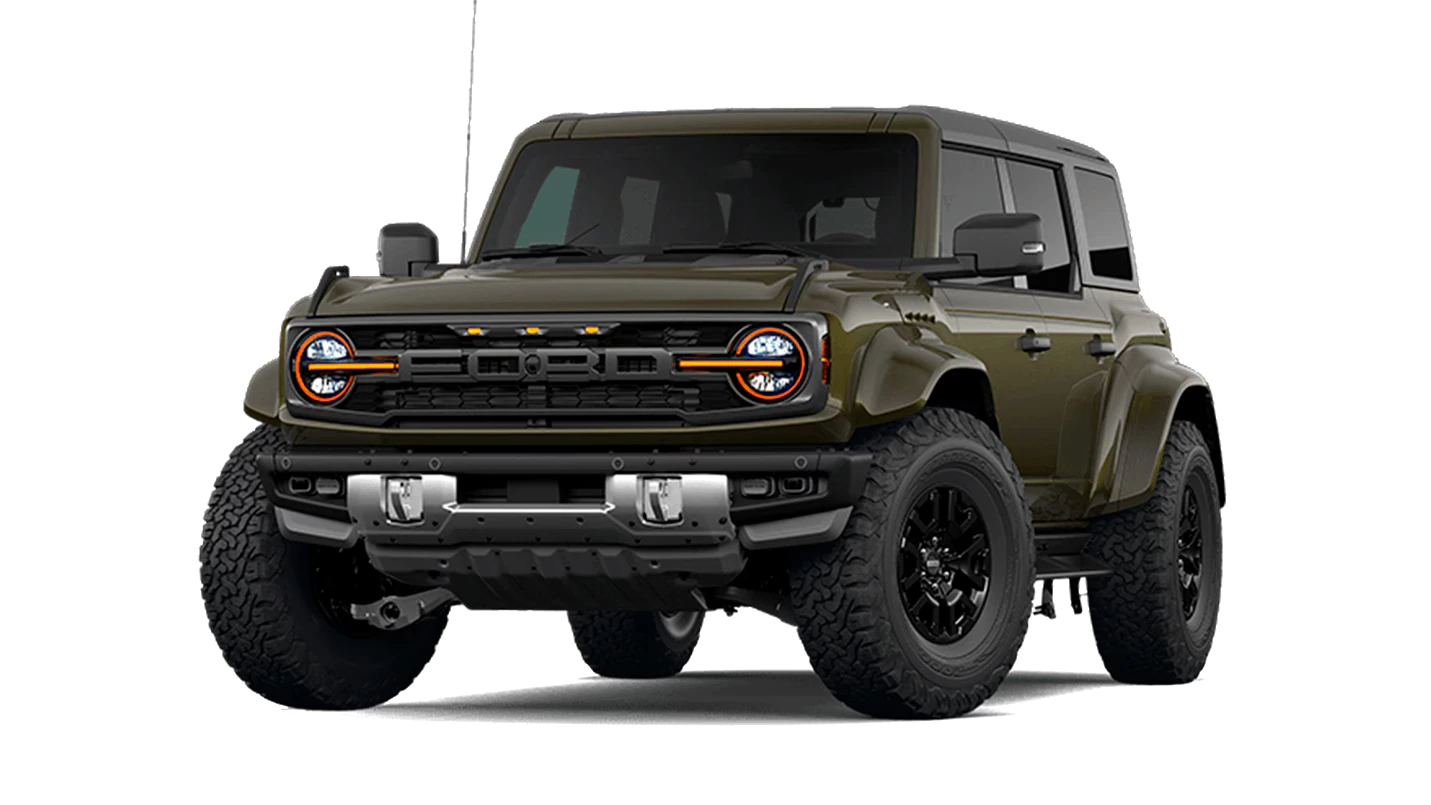
Ford Bronco Vehicles
The Ford Bronco has a wiper arm nut that may loosen, causing wipers to detach and reducing visibility, increasing crash risk.
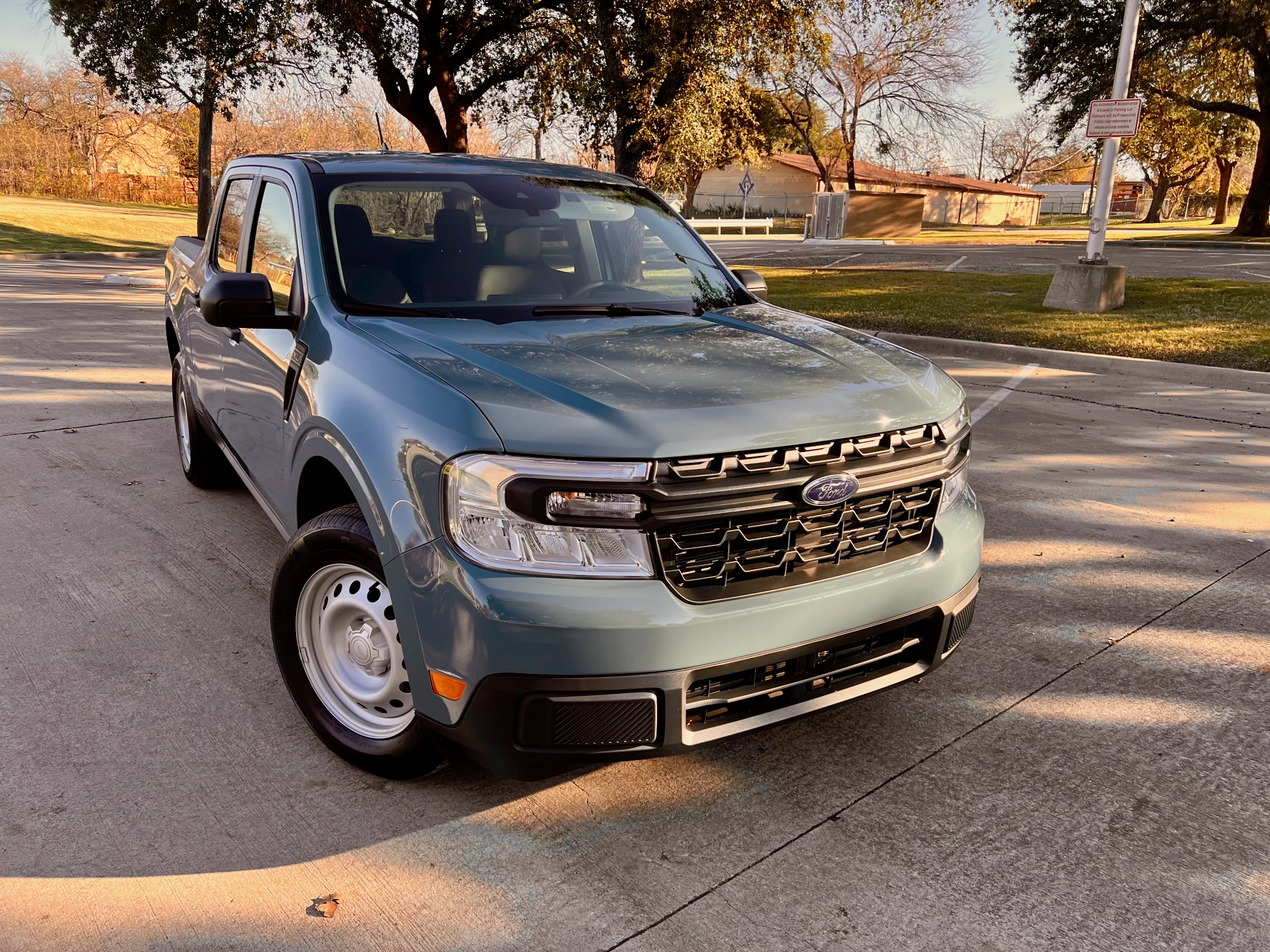
Ford Maverick Hybrid Vehicles
The 2022 Ford Maverick Hybrid has a loose 12-volt battery cable that can cause loss of drive power or electrical systems.
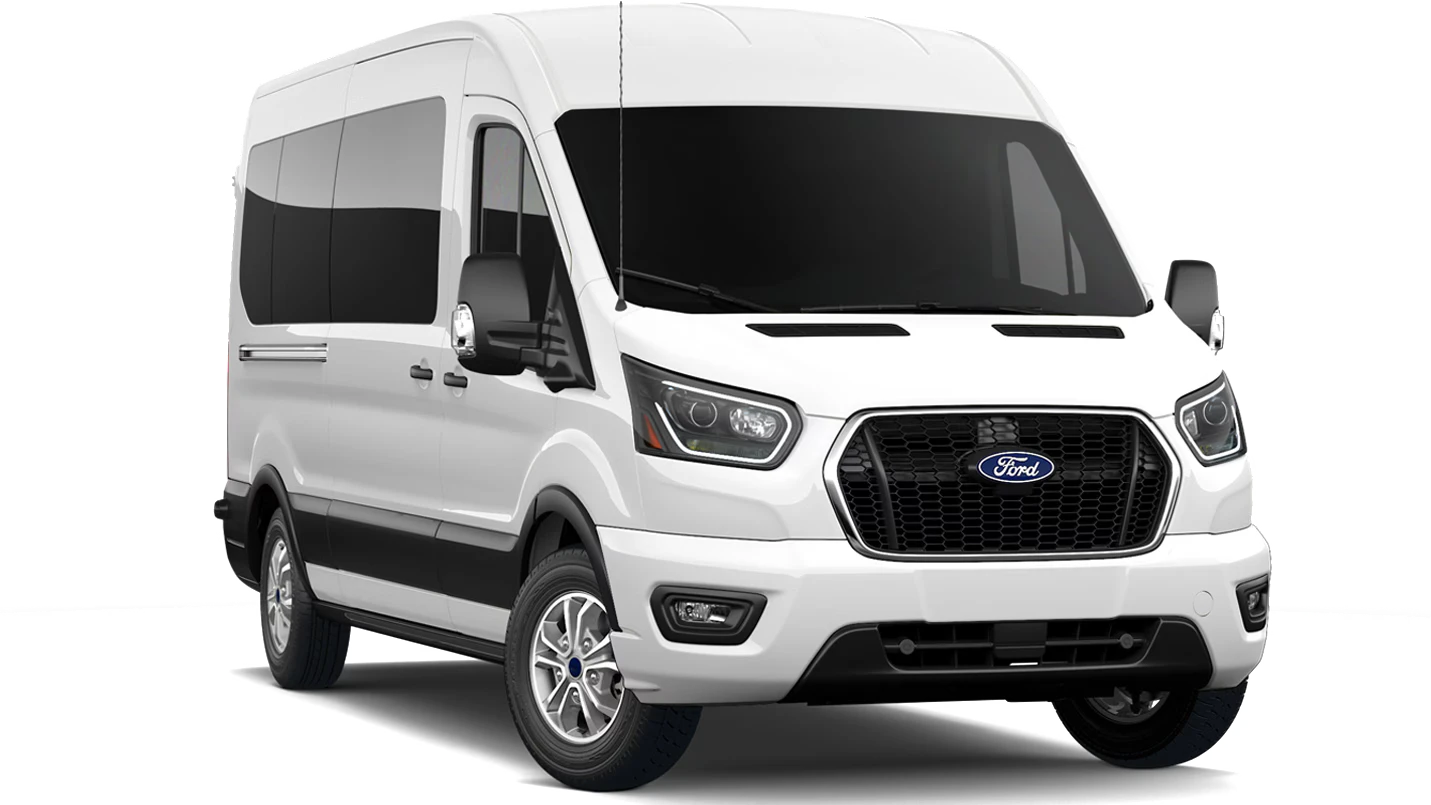
Ford Transit Vehicles
Ford Transit Vehicles have a software error in the body control module C, which may cause it to freeze and shut off some lights.
Ford F-150, F-250 SD, F-350 SD and F-450 SD Vehicles
The left-side tailgate cable may fail under heavy load, allowing the tailgate to drop and increasing injury risk.
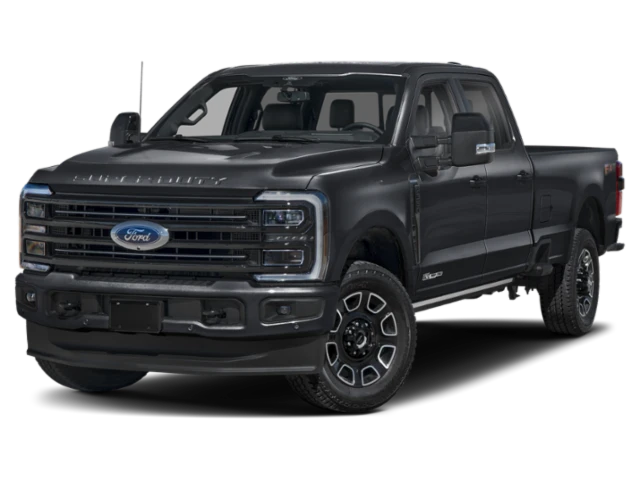
Ford Transit Connect Vehicles
The Ford Transit Connect's rearview camera may show a distorted or blank image, reducing the driver's view and increasing crash risk.
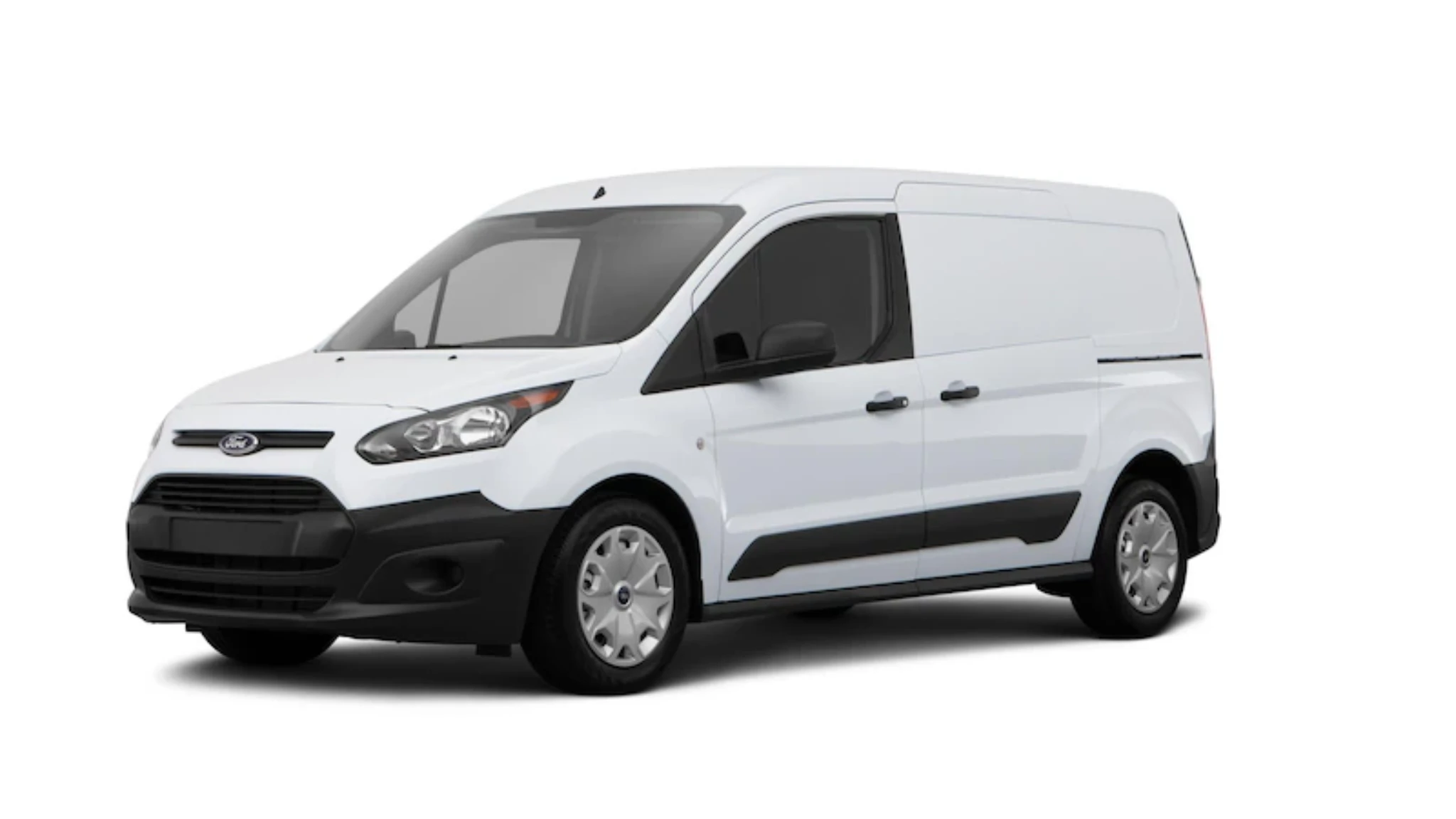
Ford F-150 Seats
The front seats may be improperly secured, increasing the risk of injury during a crash.
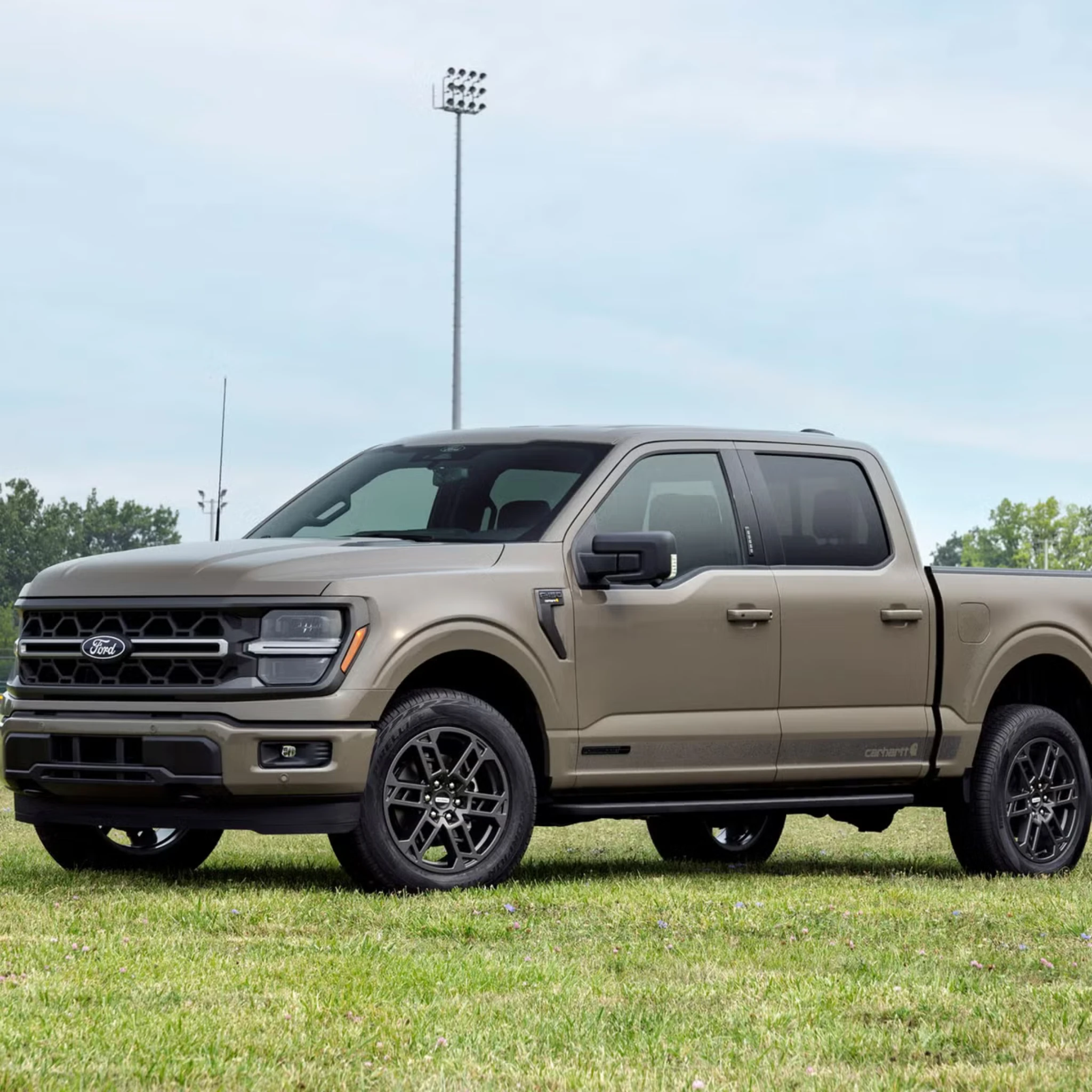
Ford F-150, F-250 SD, F-350 SD, F-450 SD, F-550 SD, F-600, and F-750 SD
Ford F-250 through F-600 and F-150 vehicles have inaccurate speedometer and tachometer displays that can increase crash risk.
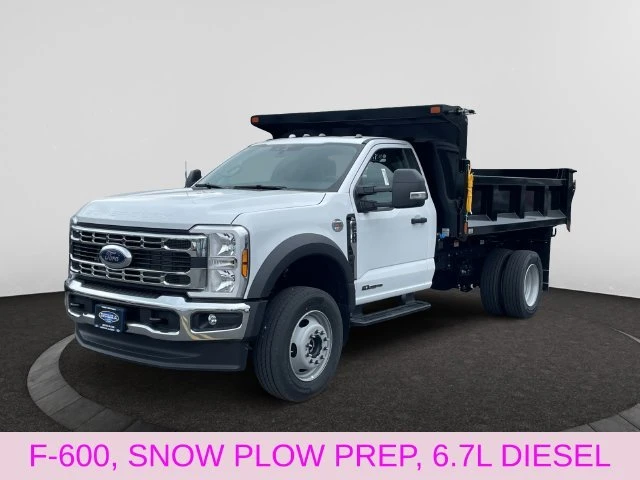
Ford Ranger
The 2026 Ford Ranger's rearview camera image may not display, reducing the driver's view and increasing crash risk.
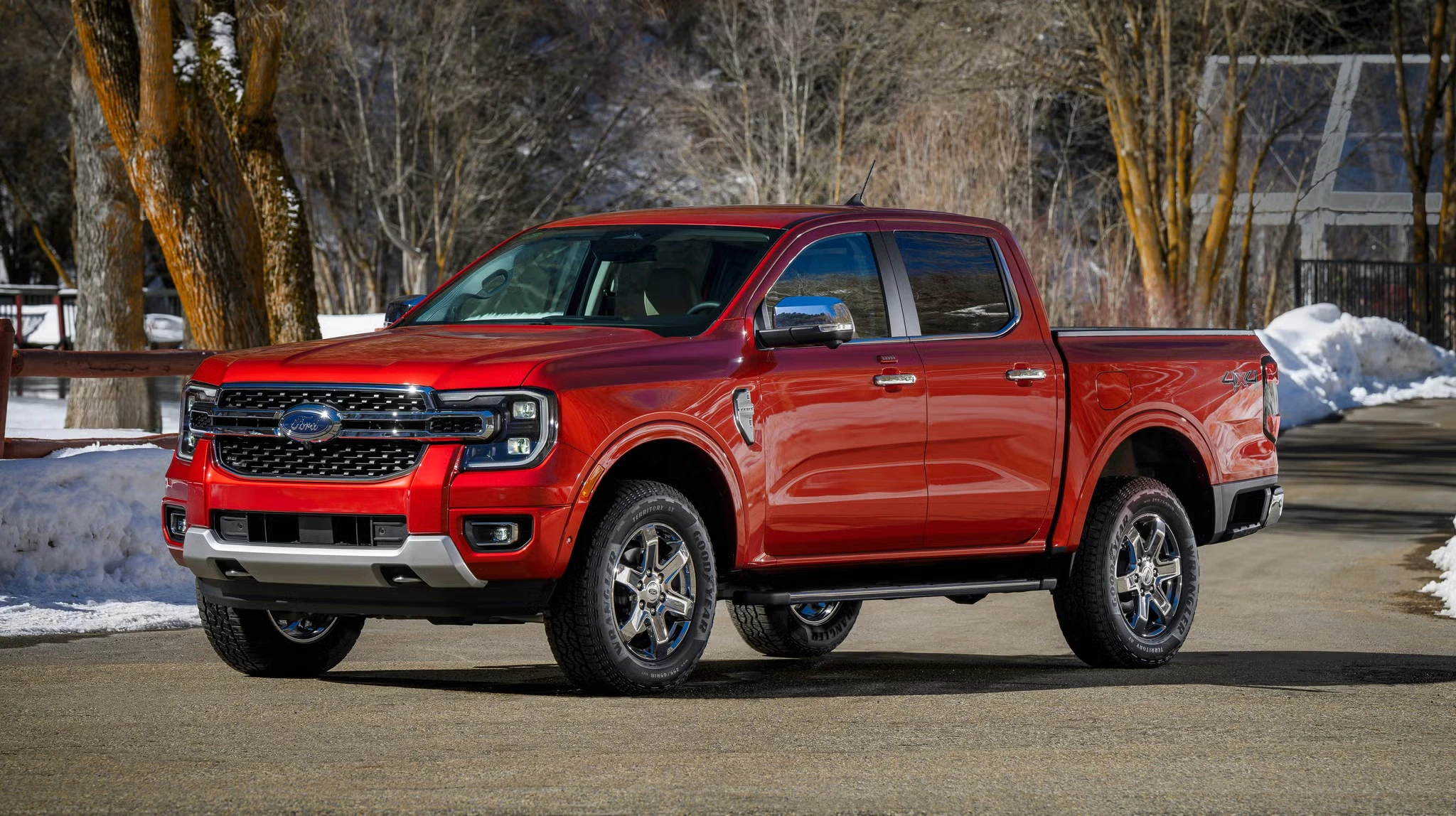
Ford Expedition (2025-2027), Ford F-250 SD (2026), Ford F-350 SD (2026), and 2 more
The affected vehicles may have headlight assemblies with a contaminated LED chip, causing loss of exterior lighting and increasing crash risk.
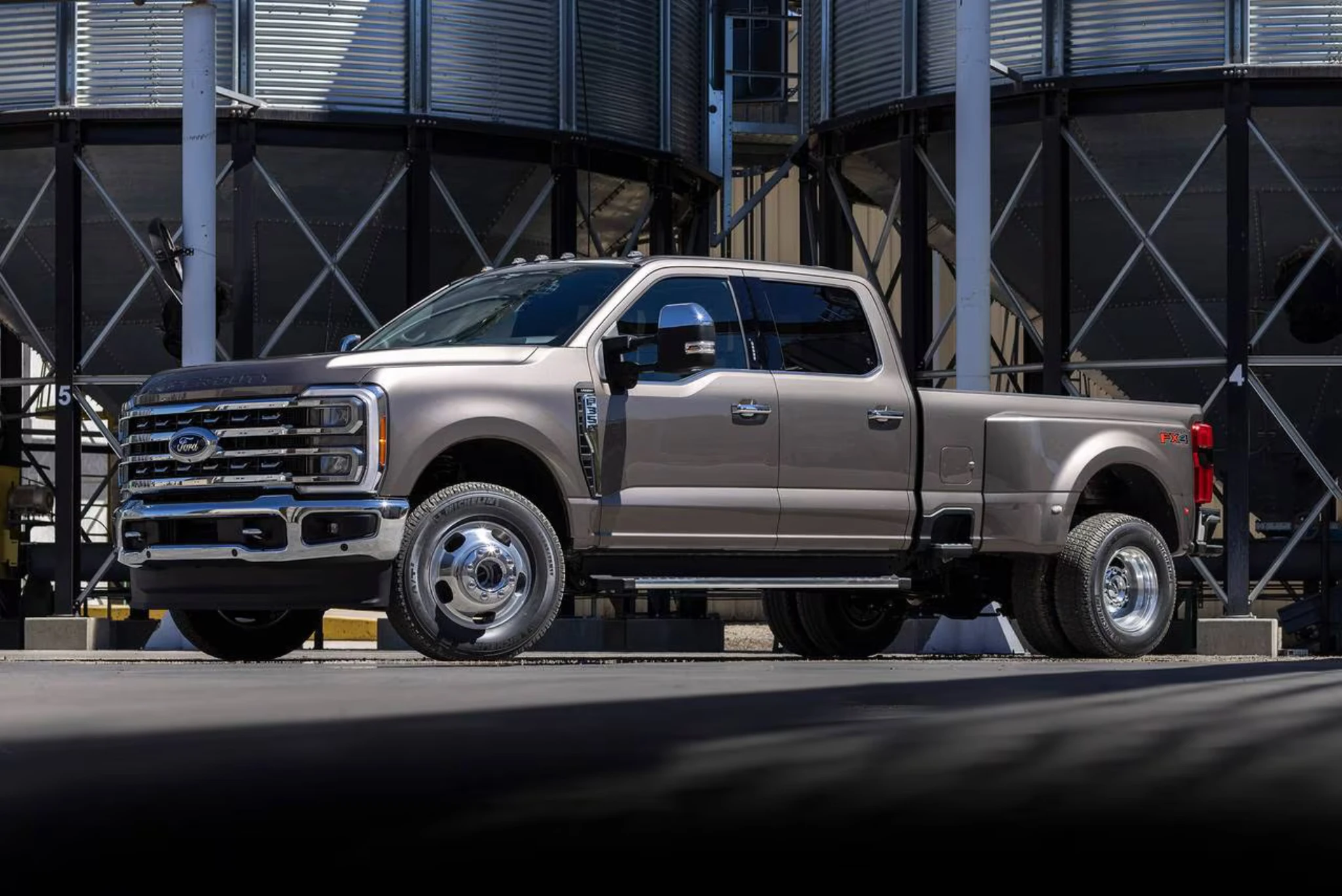
Ford F-150 (2026)
The Ford F-150 has incorrect rear axle tail bearings that can cause rear wheel lock-up or driveshaft separation, increasing crash risk.
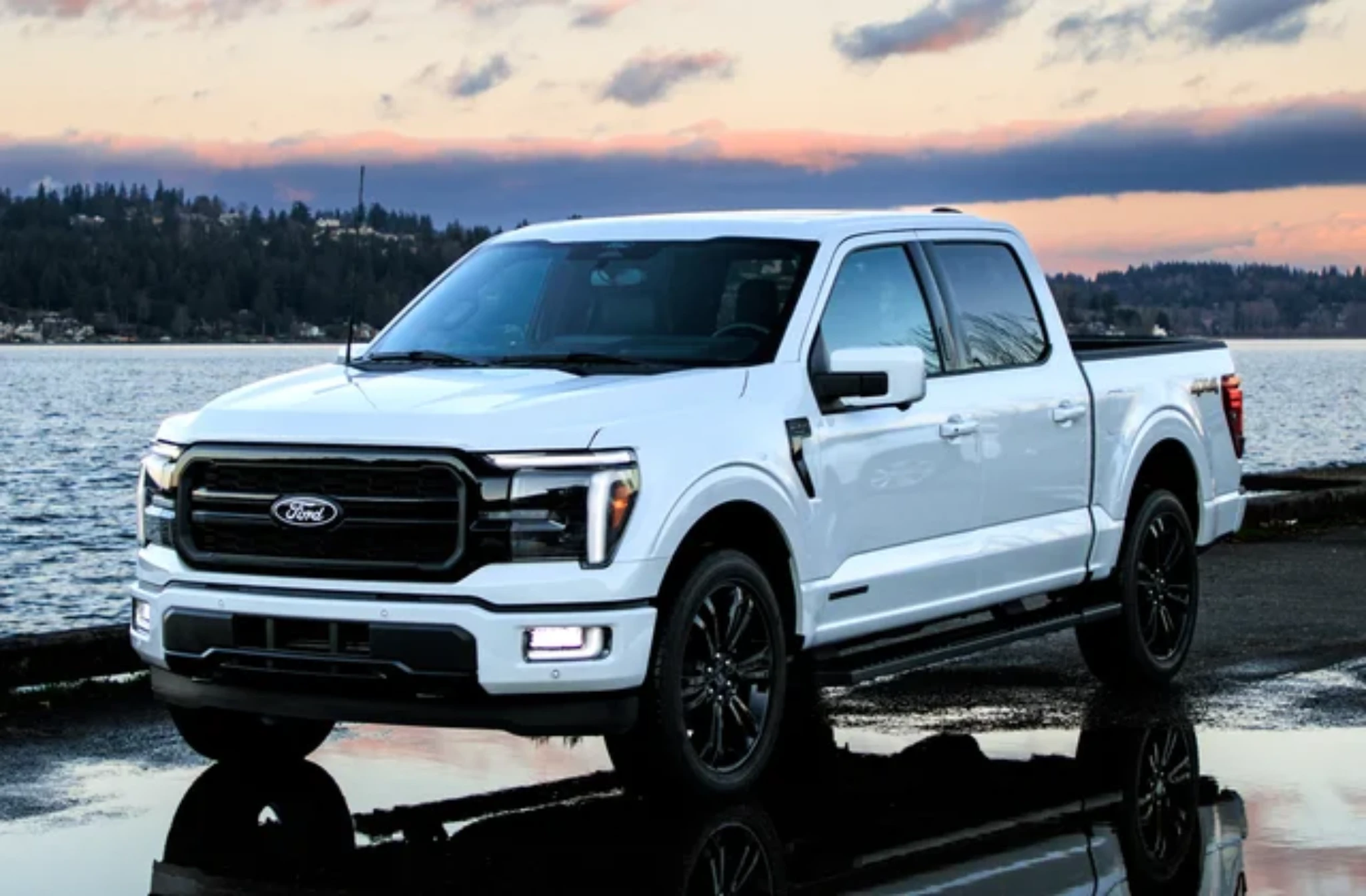
Ford Transit (2026-2027) — Seat Belts
The Ford Transit's wireless seat belt reminder system may malfunction, failing to alert occupants to an unfastened seat belt, increasing injury risk.
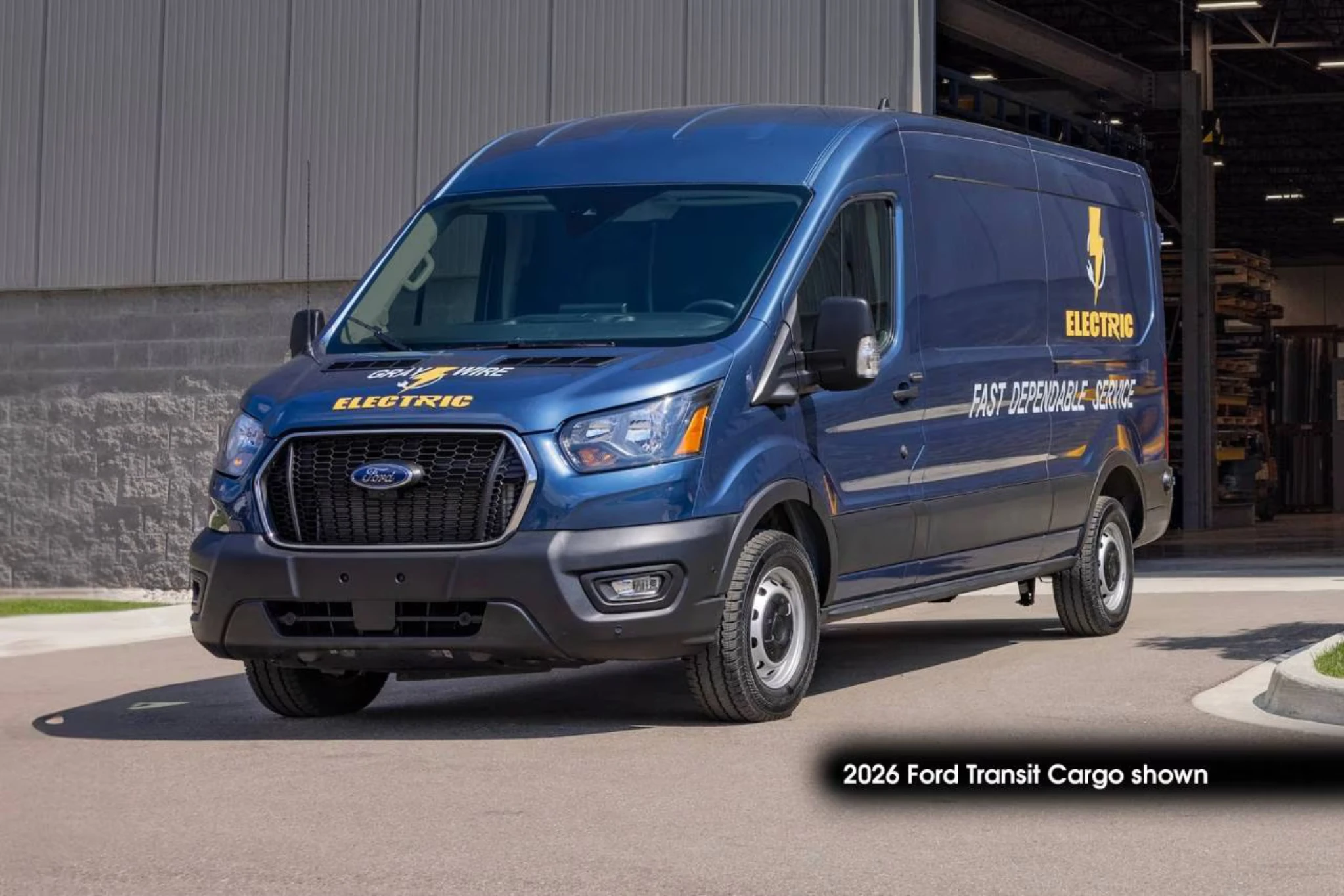
Ford F-150 Vehicles
The Ford F-150 has a fuel tank that may leak or detach, increasing the risk of a crash or fire.
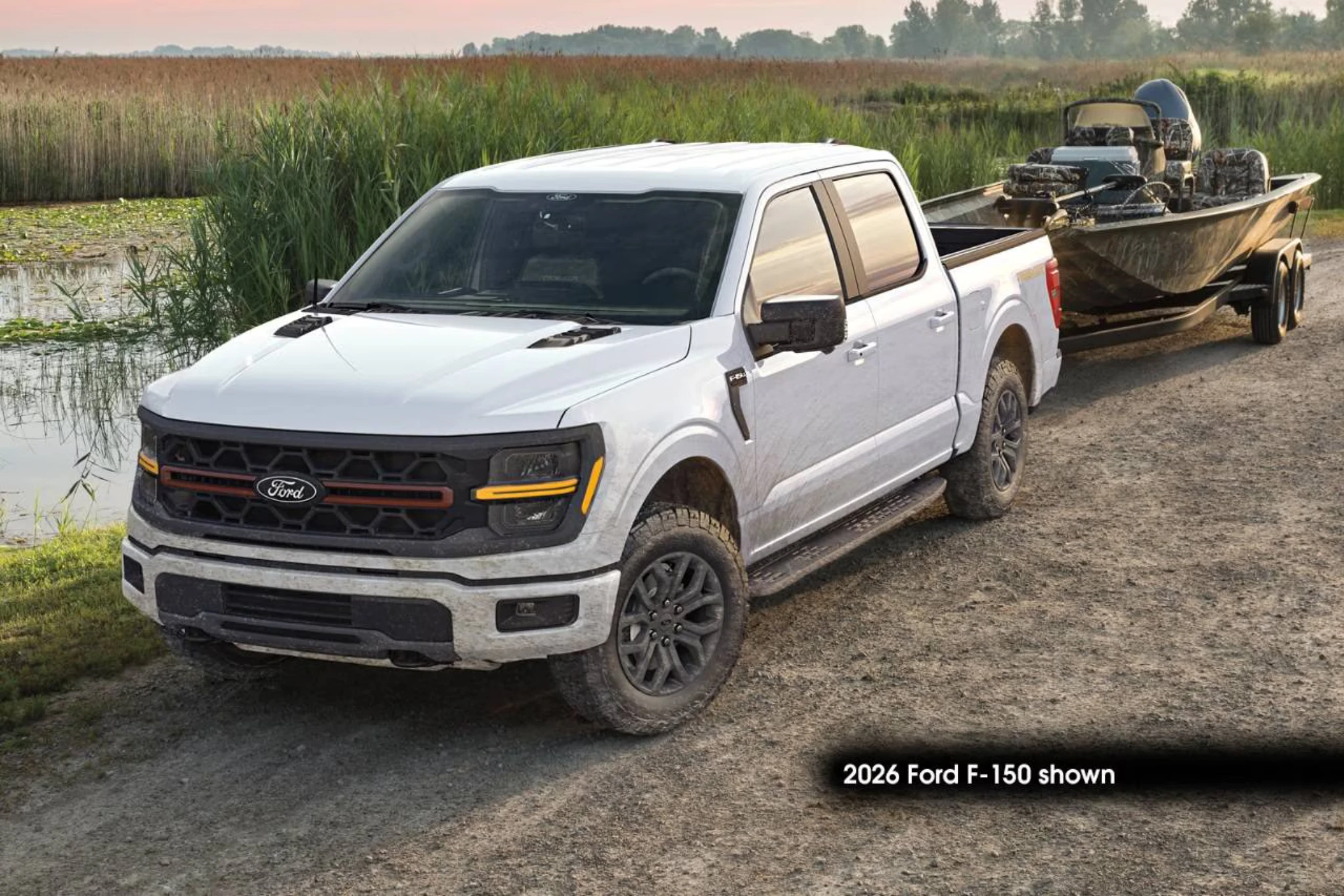
Ford 2026 F-150 Vehicles
The 2026 F-150 has loose rear suspension stabilizer rod fasteners that can shift the rod and cause loss of control.
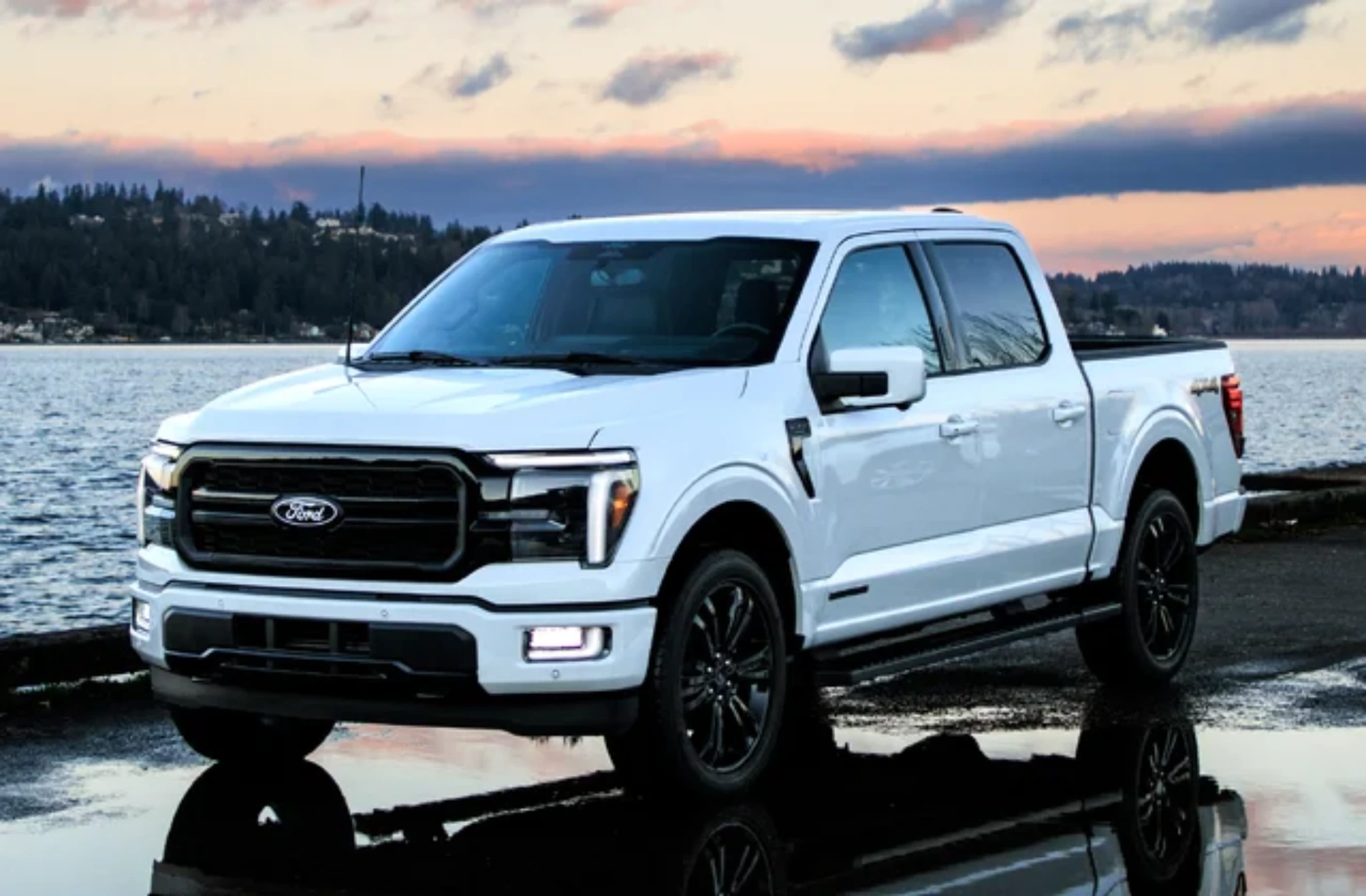
Ford Mustang Mach E
The Ford Mustang Mach E has incorrect software that may cause loss of power or a battery fire.

Ford Bronco (2026) — Air Bags
The Ford Bronco's side curtain air bag bracket may tear the air bag, increasing injury risk.
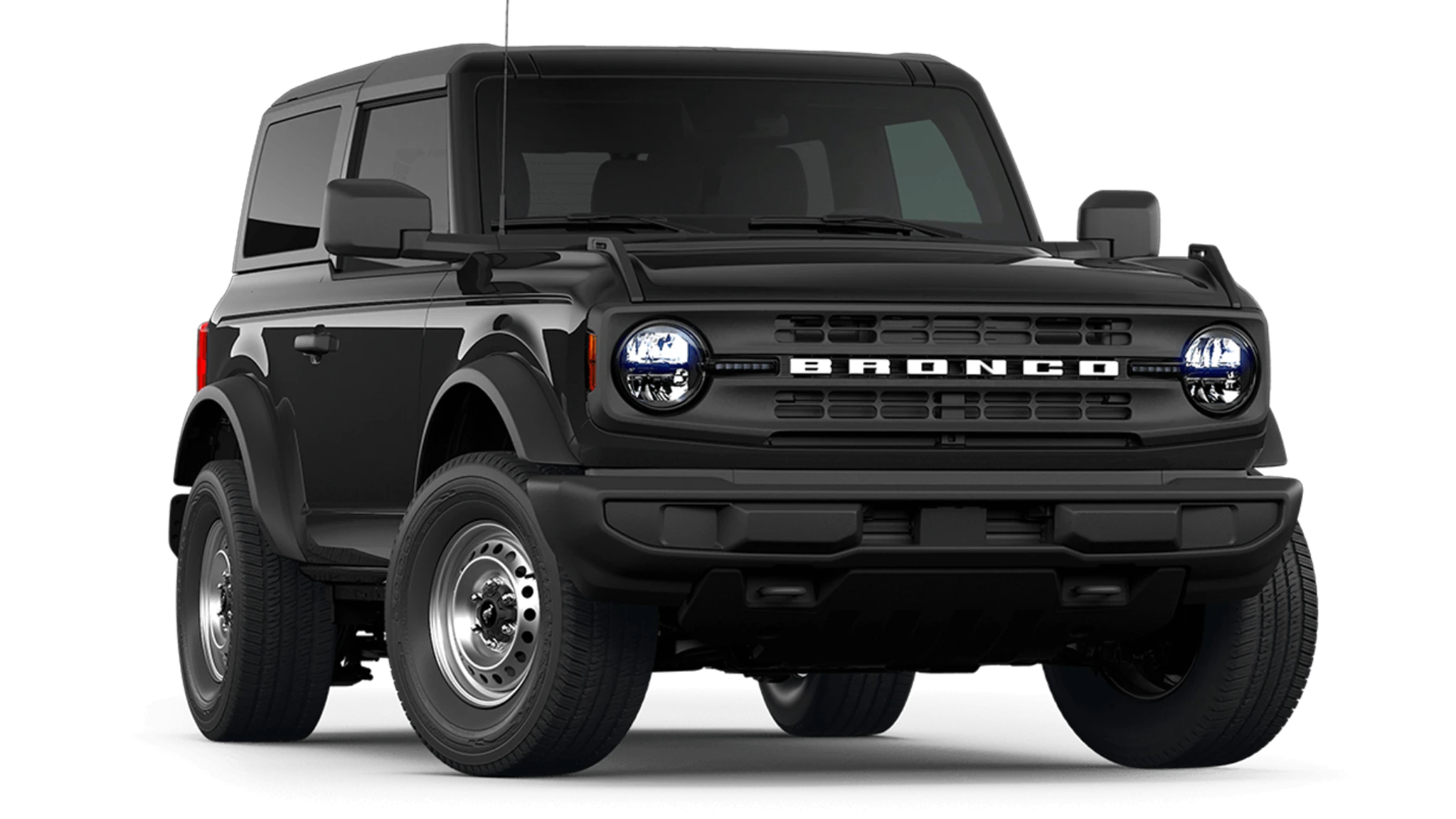
Ford 2026 Explorer Vehicles
The passenger air bag may not deploy properly, increasing the risk of injury in a crash.
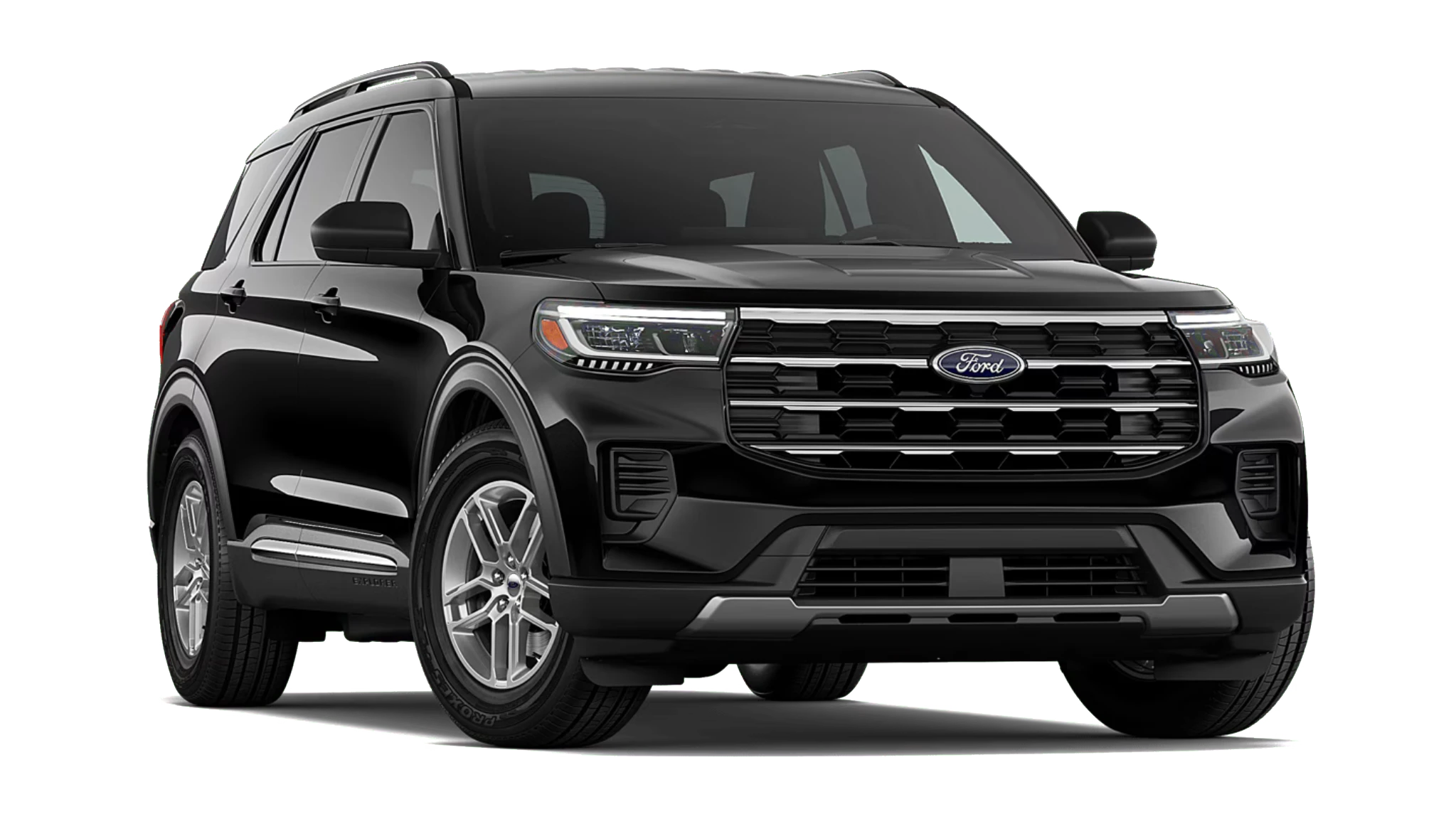
Ford 2026 Maverick, F-150, and Bronco Sport Vehicles
Certain 2026 Ford Maverick, F-150, and Bronco Sport vehicles have improperly tightened joints that can cause loss of control or fire.

Ford 2026 Explorer, Bronco, Bronco Sport, Mustang, and Ranger Vehicles
Ford vehicles with improperly manufactured pistons may fail, causing loss of drive power and crash risk.

Ford Mustang
Ford Mustang vehicles have engine compartment wiring harness ground connections that may fracture, causing loss of drive power or reduced visibility.
Ford F-650 SD
The Ford F-650 SD has deck pins that may break, causing the liftgate platform to fall and increasing injury risk.

Ford Explorer (2026)
The Ford Explorer's engine connecting rod bearings may seize, causing engine failure and loss of drive power.

Ford 2021-2023 F-150 and 2023-2026 F-250 SD Vehicles
A software error may obstruct the rearview camera image in certain F-150 and F-250 SD vehicles, reducing rear visibility and increasing crash risk.

Ford Mustang Mach E
The rear side quarter window glass trim may detach, creating a road hazard and increasing crash risk.
Ford 2025-2027 Explorer and Lincoln Aviator Vehicles
The driver's seat may recline unexpectedly, which can trap a second-row occupant and increase injury risk.

Ford Bronco (2021-2026)
The engine compartment wiring harness may become damaged and short circuit, increasing the risk of a fire.

Ford Explorer
Ford Explorer vehicles have roof rail covers that may detach, creating a road hazard and crash risk.

Ford Aviator and Explorer Vehicles
Aviator and Explorer vehicles have second-row seats that may move unexpectedly, increasing injury risk in a crash.

Ford Explorer Hybrid (2025-2027) and Lincoln Nautilus Hybrid (2024-2027)
A software error may prevent the vehicle from making the pedestrian warning sound at certain speeds, increasing the risk of injury.

Ford Mustang (2024-2026) — Visibility
Windshield wipers or a washing system that fails to function as intended can reduce visibility, increasing the risk of a crash.
Ford Mustang Mach E
The rear differential pinion shaft may fracture, causing loss of drive power or unintended movement, increasing crash risk.

Ford Bronco
The Ford Bronco's fender flares may not be properly secured and detach, becoming a road hazard and increasing crash risk.

Ford Expedition (2018-2021), Ford Explorer (2020-2021), Ford F-150 (2021), and 2 more
The vehicles have a transmission park pawl that may engage while in motion, causing park system damage and possible rollaway.

Ford Expedition
The center console on certain Ford Expedition vehicles may peel, creating sharp edges that can cause injury.

2019 Ford Mustang, Lincoln Nautilus, and Lincoln Navigator Vehicles
The instrument cluster may go blank on start-up, failing to display critical safety information and increasing crash risk.

Ford Explorer (2024)
The 2024 Ford Explorer may have a damaged park system that can cause a rollaway, increasing crash risk.

Ford Focus
The Ford Focus can stall unexpectedly while driving due to a canister purge valve malfunction, increasing crash risk.

Ford F-150 (2017)
The 2017 Ford F-150's instrument cluster may lose power, failing to display critical safety information and increasing crash risk.

Ford Focus and Fusion Cars
The Ford Fusion and Focus vehicles have a clutch that may fracture, causing transmission damage and a fluid leak that can increase fire risk.

Ford F-150 (2018)
The F-150 may move unexpectedly when shifting from Park to Drive, increasing crash risk.

Ford Escape (2017)
The Ford Escape's power windows may not reverse when closing, pinching a driver or passenger and increasing injury risk.

Ford F-150 (2018-2020) — Exterior Lighting
Ford F-150 vehicles have daytime running lamps that may not dim, reducing visibility and increasing crash risk.

Ford F-150 (2014)
The Ford F-150 can unexpectedly downshift into first gear, causing loss of control and increasing crash risk.

Ford Bronco Sport (2021-2026) and Ford Maverick (2022-2026)
The front lower control arm ball joints may detach, causing loss of vehicle control and increasing crash risk.

Ford Expedition and Lincoln Navigator (2018-2022)
The seat belt pretensioner in the driver and/or front passenger seat may inadvertently lock the seat belt, which will not allow the belt to retract or extend.

Ford Bronco, Ford Explorer, and Ford Ranger (2025-2026)
The engine may fail in certain Ford Explorer, Ranger, and Bronco vehicles, causing a sudden loss of drive power and increasing crash risk.

Ford Bronco and Ford Ranger (2026)
2026 Ford Bronco and Ranger vehicles may have incorrect tire and weight labels, which can allow overloading or improperly inflated tires.
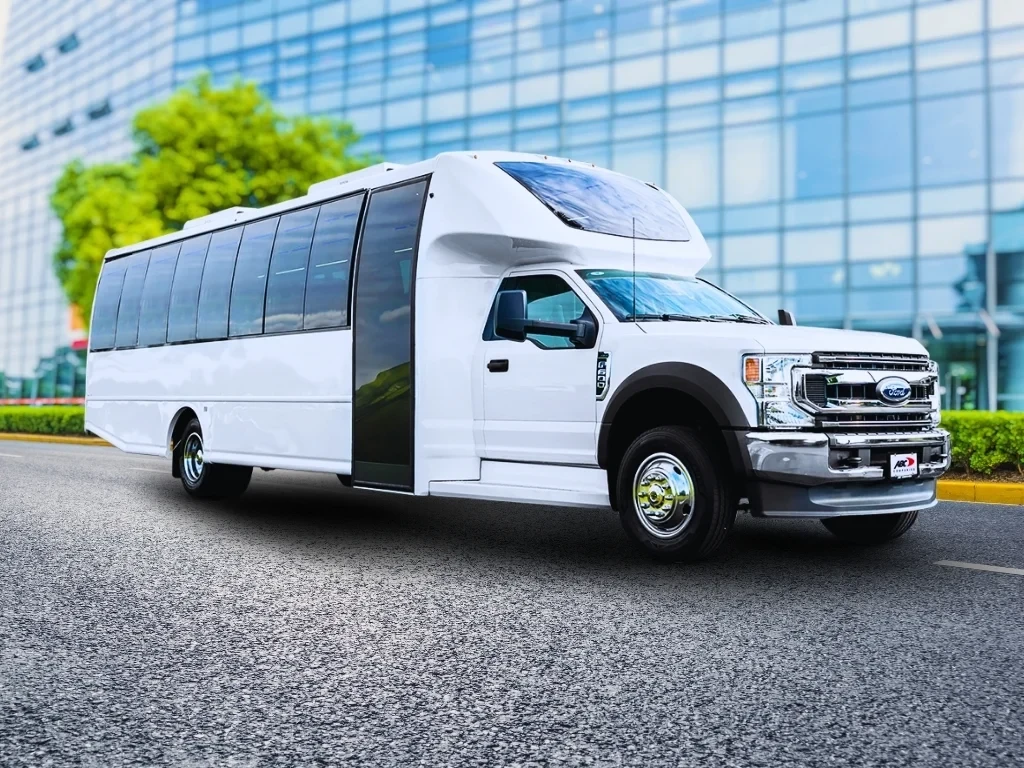
Turtle Top Terra Transit and Odyssey Buses
Wheelchair restraint retractors may not lock, preventing the wheelchair from being properly secured.
Ford 2026 Escape and Lincoln Corsair Vehicles
The 2026 Escape and Lincoln Corsair vehicles have a park module that may fail, allowing rollaway and increasing crash risk.

Ford Bronco
The Ford Bronco's hard top may crack and detach, creating a road hazard and increasing crash risk.

Ford Ranger and Bronco Front Seats
Ford Ranger and Bronco vehicles have a loose or dislodged seat frame height-adjust pivot bolt that may not restrain an occupant in a crash.

Ford Bronco Sport (2026) and Ford Maverick (2025)
The engine block heater in certain Ford vehicles may overheat and cause a fire.
Ford F-59 and F-53 Vehicles
The front axle hub assembly may be missing the spindle nut and cotter pin, which can lead to brake damage or wheel detachment and increase crash risk.

Ford F-150 (2015-2017)
The Ford F-150 can unexpectedly downshift into second gear, causing loss of control and increasing crash risk.

Ford Bronco
The Ford Bronco has a transmission misalignment that can cause loss of drive power or rollaway, increasing crash risk.

Ford Ranger
Ford Ranger vehicles have sun visor or headliner wiring that may be damaged, causing an electrical short and fire risk.
Ford 2026 Explorer and Mustang Vehicles
The 2026 Explorer and Mustang vehicles have incorrectly installed piston circlips that can cause engine damage and loss of drive power.

Ford Bronco Sport and Maverick (2025-2026)
The front passenger air bag may not deploy as intended, increasing the risk of injury during a crash.

Ford Lincoln Navigator, Expedition, and F-Series Super Duty Vehicles
Windshield wiper arms may break, causing wipers to fail and reducing visibility, increasing crash risk.

Ford Explorer and Lincoln Aviator Vehicles
The HVAC system may fail, causing the defrosting and defogging system to become inoperative, which can decrease driver visibility and increase crash risk.
Lincoln Navigator (2022-2025), Lincoln Nautilus (2024-2025), Lincoln Aviator (2025), and Explorer (2025)
Loss of the rearview camera image and certain driver assistance features, can reduce the driver’s ability to detect hazards, increasing the risk of a crash.

Ford Explorer and Lincoln Aviator (2020-2026)
Ford Explorer and Lincoln Aviator vehicles have improperly secured seat belt anchors that may not restrain occupants in a crash.
Ford Maverick
The Ford Maverick's moonroof glass may detach, becoming a road hazard and increasing crash risk.

Ford: F-Super Duty F250 (2020-2022), F350 (2020-2022), F450 (2020-2022), and 3 more
High pressure fuel pump failure can cause a loss of drive power, increasing the risk of a crash.

Ford F-59 and F-53 Commercial Stripped Chassis Vehicles
The exterior brake lights may remain illuminated when the driver is not applying the brakes, increasing the risk of a crash.
Ford: Ranger, Lincoln Nautilus, Mustang, and 6 more (2025)
The exhaust gas recirculation valve may fail, causing unexpected loss of drive power, increasing crash risk.

Ford Bronco (2021-2026) and Ford Edge (2021-2024)
The rearview camera image may not display in certain Ford Bronco and Edge vehicles, reducing the driver's view and increasing crash risk.
Ford 2020-2022 Escape, Lincoln Corsair, 2020-2024 Lincoln Aviator, and Explorer Vehicles
The rearview camera image may flip or invert, reducing the driver's view and increasing crash risk.

Ford Explorer (2025-2026)
The passenger-side headlight on certain Ford Explorer vehicles may turn incorrectly, increasing the risk of a crash.

Ford: Explorer, Escape, Lincoln Aviator, and Lincoln Corsair (2020-2022)
Windshield wipers may fail on certain Ford and Lincoln vehicles, reducing visibility and increasing crash risk.

Ford F-250 SD and F-350 SD Vehicles
The driveshaft may separate, causing a sudden loss of drive power and increasing crash risk.

Ford E-350 and E-450 Vehicles
The backup alarm connector may detach, preventing the alarm from sounding, increasing crash risk.

Ford: F-150 (2021-2026), F-250 SD (2022-2026), F-350 SD (2022-2026), and 8 more
These vehicles may lose trailer brake and turn signal lights or brake function when towing, increasing crash risk.
Ford Explorer (2017-2019) — Suspension
The rear suspension toe links may fracture, causing loss of steering control and increasing crash risk.

Ford Escape and Lincoln Corsair Plug-In Hybrid Vehicles
High voltage battery cells may short circuit, causing battery failure and loss of drive power or fire.

Ford Transit (2025)
The Ford Transit's brake pedal may disconnect, causing a loss of brake function and increasing the risk of a crash.

Ford 2026 E-Transit Vehicles
The 2026 E-Transit has bolts missing washers in the high-voltage battery pack, which can cause arcing and increase fire risk.

Ford Transit
Ford Transit vehicles have an engine crossmember that may be improperly secured, risking loss of drive power or brake failure.

Ford F-59 and F-53 Vehicles
The 2025 F-59 and F-53 vehicles have brake lights that may fail to illuminate, increasing crash risk.
Ford Explorer (2026)
The Ford Explorer has a windshield that may not be properly bonded, increasing injury risk in a crash.

Ford Focus and Explorer Vehicles
The engine block heater may crack and leak coolant, causing a short circuit and fire risk.

Ford: Focus (2013-2018), Escape (2013-2019), and Lincoln MKC (2015-2016)
The engine block heater may crack and develop a coolant leak, causing a short circuit and fire risk.
